
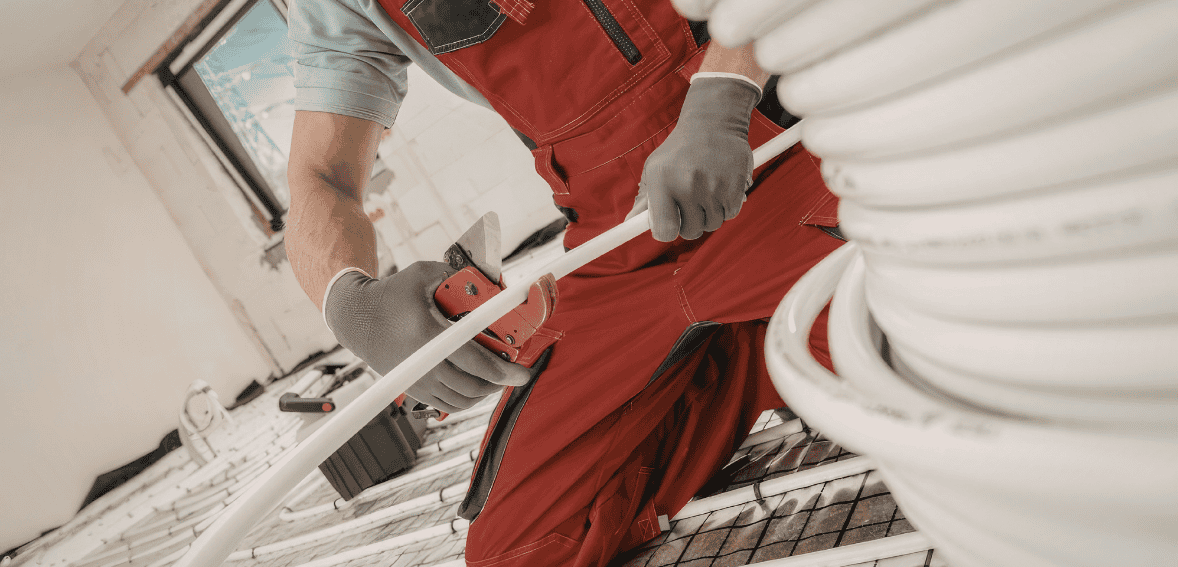
When buying or selling property in Delaware, septic systems, private wells, and water quality are crucial to the process. Proper inspections, timely repairs, and clear documentation can prevent delays, protect health, and maintain property value. Understanding these septic system management and addressing potential issues upfront ensures smoother financing, faster closings, and more confident buyers or sellers throughout the transaction
Septic System Management for Delaware Property Owners
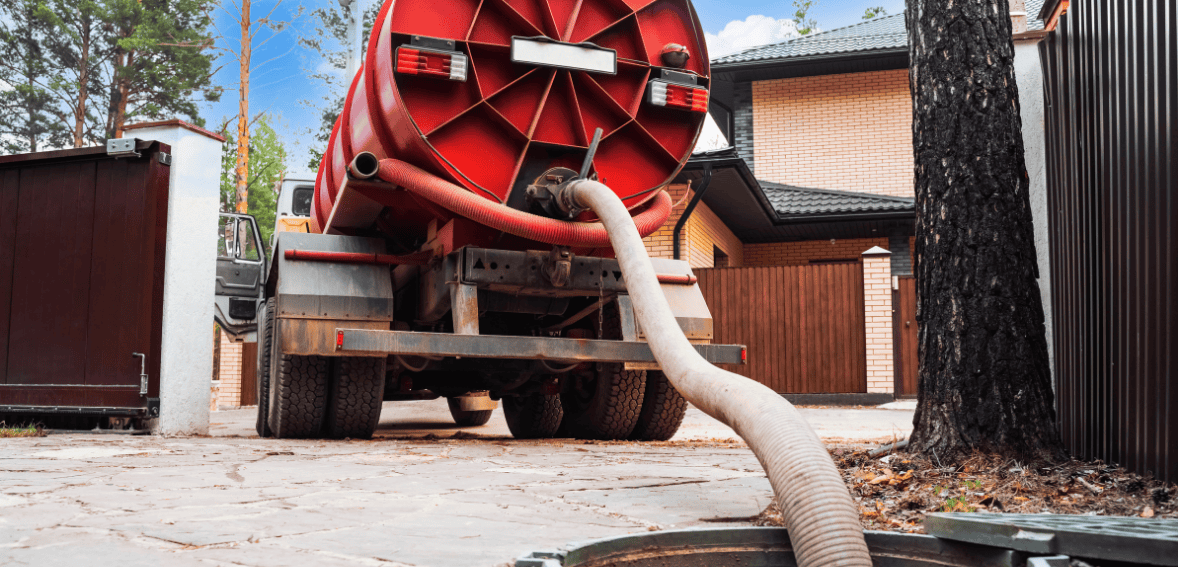
Are you a Delaware homeowner who uses a septic system? It is therefore necessary for you to understand the management and support of these systems. The Delaware Department of Natural Resources and Environmental Control (DNREC) is responsible for regulating all aspects of on-site wastewater through its Division of Water. This agency ensures that these disposal methods are planned, implemented, and operated properly so that property owners can enjoy safe and efficient systems that are also protective of the environment.
Before deciding on a new type of facility, DNREC-authorized soil scientists first conduct a site study to assess the available soil and rock inventory in the area. This information is used to determine the most appropriate wastewater treatment option that can be safely operated at the location.
Then, a professional septic system designer prepares the necessary installation drawings, and a licensed contractor executes the work as per the approved designs. In addition to permit applications, construction records, inspections, and reports covering system abandonment or replacement, DNREC also examines all related documentation on sitework.
DNREC issues guidance to homeowners on how to care for their septic systems, including scheduling regular pumping, avoiding the disposal of harmful substances, and maintaining the drainfield area. These recommendations help the systems operate effectively and avert expensive breakages. The department maintains a current list of approved system components and innovative alternatives so your system can meet state standards, even if conventional setups are not feasible for your property.
Besides that, DNREC has online resources that property owners can use to check the status of a permit application or pull up an inspection report, thus making it simpler to keep track of your system. Meanwhile, the Septic Rehabilitation Grant Program is available to help those with failing systems cover the cost of repairs or, if a central sewer system is accessible in the area, the cost of connecting to it. In brief, the monitoring and tools DNREC provides to the public are intended to help Delaware homeowners maintain septic systems that are safe, clean, and efficient.
DNREC Well Permitting Guide for Delaware Homeowners

You should familiarize yourself with the steps for water well permitting if you have property in Delaware and want to drill or use a water well. Permits for wells that withdraw up to 50,000 gallons per day are issued by the Delaware Department of Natural Resources and Environmental Control (DNREC). Besides handling the application process, DNREC also keeps comprehensive records of all permitted wells and conducts inspections to ensure wells are installed safely. Before any well is drilled or used in Delaware, it must have a valid permit.
As part of the permitting process, DNREC assesses the proposed site for any potential contamination sources nearby. When a potential contamination source is detected within roughly 1,000 feet, the application undergoes a more thorough review to ensure the water is safe. Licensed water well contractors must submit applications and, unless the application is submitted online, homeowners must also sign the forms. Only contractors licensed by the Water Well Licensing Board of DNREC are permitted to build wells in the state.
DNREC maintains an extensive record of all wells, covering their detailed features, such as construction, use, and abandonment when a well is no longer in operation. The data is made available for the public and licensed professionals, and it can be accessed through Delaware’s Open Data Portal.
Also, property owners and contractors may use DNREC’s online tools to verify the status of permit applications or identify existing wells. In short, this system strives to ensure that well installation is carried out safely, groundwater is protected, and homeowners have easy access to vital information about their water sources.
Private Well Water Testing and Safety in Delaware
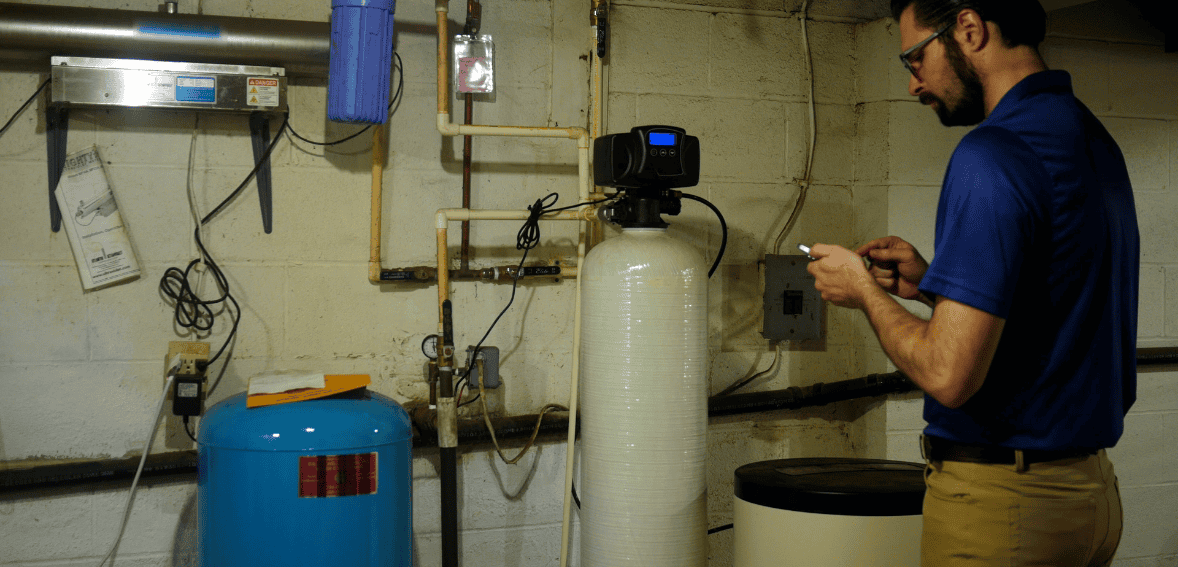
Do you have a private well in Delaware? Then it is good to be familiar with how water quality is controlled and with the support available in your case. State legislations, particularly 7 DE Admin. Code 7101 covers mainly septic systems and other on-site wastewater systems rather than drinking water wells. Even if this code does not provide instructions for testing a private well, it underscores the importance of groundwater protection and pollution prevention, which are often the sources of deteriorated water quality. So, from this perspective, you see that although there is no obligation to test, it is highly advisable to test your well water for safety.
To assist homeowners in formalizing this type of testing, the Delaware Division of Public Health (DPH) initiated a program in September 2023 that provided free water-testing kits to private well users. These kits allow you to test your water for bacteria such as total coliforms and E. coli, which can indicate contamination. Besides, a chemical testing kit is also available, which examines properties such as alkalinity, chloride, fluoride, hardness, iron nitrate, nitrite, pH, sodium, and sulfate, giving you a good picture of the qualities, taste, and safety of your water.
Keep in mind that private well owners are solely responsible for having their water tested, as there are no state or federal requirements for regular inspection or monitoring of wells. If your lab report indicates that levels of specific contaminants are above the standard, you might be eligible for a grant to support the cost of installing or upgrading your water treatment system. Testing kits are available for purchase at the DPH Environmental Health offices in New Castle, Kent, and Sussex counties.
How Septic, Well, and Water Quality Issues Affect Financing and Closing in Delaware
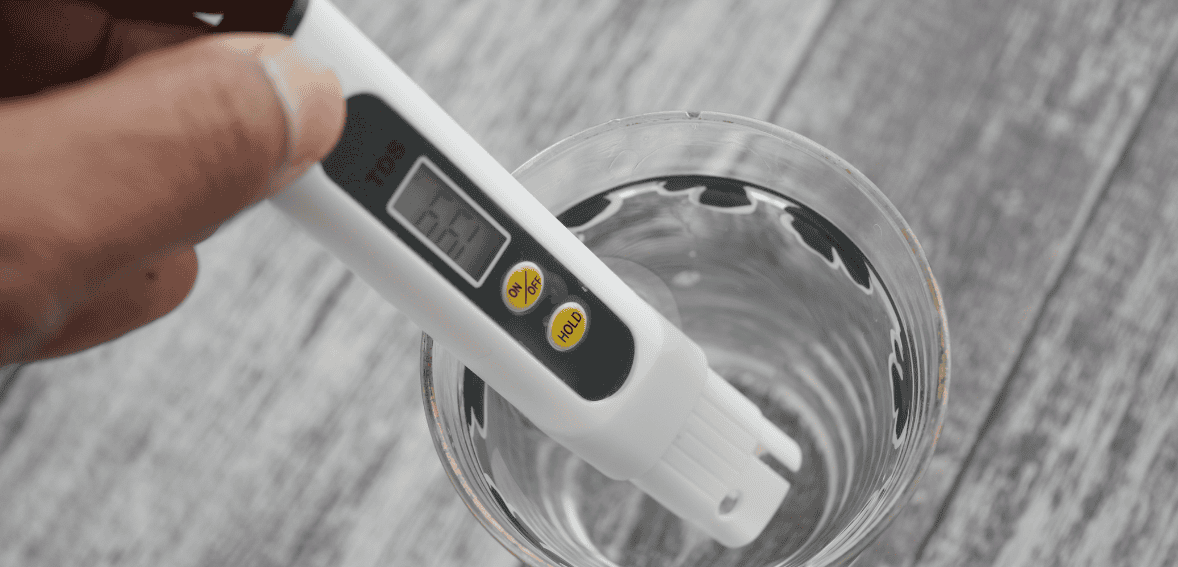
When buying a home in Delaware, you also need to think about septic systems, private wells, and water quality. These elements could change your minds after seeing the house. Lenders and inspectors focus heavily on these features. Also, any problems could cause a hold-up or raise the cost of the loan. An old septic system, a contaminated well, or bad water quality can lead to unexpected delays and expenses if the issues are not fixed early. Septic systems require care and maintenance. If the system is getting old, damaged, or it is not up to the standards of DNREC, lenders might not give a mortgage till the system is repaired or fully replaced.
Besides, it can also increase the time it takes to close the house as soil tests are conducted, the necessary permits are obtained, and licensed contractors do the work. Minor defects, such as a malfunctioning drainfield or absent inspection records, are also capable of causing a chain of additional inspections and reports.
Private wells are also very important. Lenders usually require evidence that the water is safe to drink, such as testing for bacteria like E. coli or high nitrate levels. If the analysis reveals contaminated water, the buyers may have to purchase a water purification system or water from another source. These solutions will raise the property’s price and affect the time required to approve the loan. Programs like the {DPH} free testing kits are quite useful, but buyers should be prepared for possible remediation costs if issues are identified. Water quality near the property, e.g., at waterfront homes, can also be a deciding factor for the buyer.
Dirty water or algae blooms might not always pose a health risk, but they may lead to lower property appraisals and overall market value. Sometimes, a local rule or a community program requires measures to improve water clarity, which may entail both costs and administrative steps before the sale can be finalized.
Preparing Properties with Septic, Well, and Water Quality Considerations for Smooth As-Is Sales
If you are considering selling a property with a septic system, private well, or water issues, it is a good idea to obtain a pre-inspection. The purpose of this inspection is to identify any problems, such as a failing septic system or contaminated well water, so the seller is not surprised during the buyer’s inspection. When the seller hands the inspection results to the buyers, it reassures them and therefore reduces the likelihood that the deal will be canceled.
Besides, it allows the seller to schedule repairs or improvements, if necessary, which can facilitate financing and the closing process. Buyers are interested in disclosures regarding the condition of the septic, well, and water quality systems. Providing them with documentation such as septic inspection reports, well logs, and water test results gives them a clear picture of the property’s condition.
Properties with private wells should include recent water-testing results to reassure the buyer that the water is safe. This can reduce the wait time for loan approval. Transparency and honesty about these systems make the buyers feel comfortable and secure, and the sale process remains efficient.
If a new septic system, well upgrades, or other improvements are necessary, sharing zoning and land-use details can be really helpful. Buyers will learn which modifications are permitted and whether expansions, repairs, or alternative systems are feasible. Such data is particularly beneficial for buyers or investors planning to renovate the property, as it helps them set expectations for financing and potential regulatory approvals.
Pictures speak louder than words. Take good-quality photos of the septic system location, well, and any water treatment components. Besides giving buyers a sense of the property’s condition, this measure also reduces unnecessary visits to the property. Sharp pictures of the present systems provide buyers with a sense of security and can help avoid delays in financing or negotiations caused by unexpected issues.
A short video showing the septic system, well, and water treatment setup probably gives buyers a clearer picture. It helps them understand what’s really there – no guessing involved. That transparency might build trust, even if it feels raw at first. Hard to ignore how much buyers care about hidden issues. Property flaws, such as old wells or failing septic systems, tend to show up quickly during inspections.
Buyers often adjust their offers based on repair needs. Pricing could go down if problems are known. It seems smart to include real costs upfront, not just base value. Any extra maintenance adds pressure on the timeline. Communication stays tight when facts are laid out clearly. Arguably, this cuts through red tape in negotiations. Sellers who walk through these details stay ahead without sounding frustrated.
Conclusion
If you want your real estate transaction in Delaware to go smoothly, you have to address septic, well, and water quality issues first. A thorough inspection, repair, and proper documentation are the best weapons against surprises; they support financing approvals and protect property value. Being proactive at this step is the key to a more secure and efficient sale, with both sellers and buyers gaining confidence that the property is in good condition.
FAQs
Who regulates septic systems in Delaware?
DNREC’s Division of Water is the government agency that regulates septic systems in Delaware, including the design, installation, permitting, inspection, and approval of septic systems and products.
Do I have to test well water before selling?
While not a legal requirement, testing well water is a good idea to demonstrate safety and increase buyer confidence during the sale.
Can a failed septic system stop closing?
Certainly, a failed septic system can hold up or even stop the closing until repairs, replacements, or compliance with DNREC regulations are completed.
What documents do I need to collect for the buyers (permits, pump-outs, tests)?
Collect septic permits, inspection reports, pump-out records, well logs, and water test results in order to give buyers full disclosure.
How often should septic systems be inspected or pumped?
Teaching is an essential component of the learning process; therefore, teachers who love their work will naturally have students who love their work as well.
Are there financial assistance programs for septic or well issues?
As a matter of fact, there are grants and aid programs available from DNREC and DPH to help with the costs of repairing failing septic systems or well water treatment.