
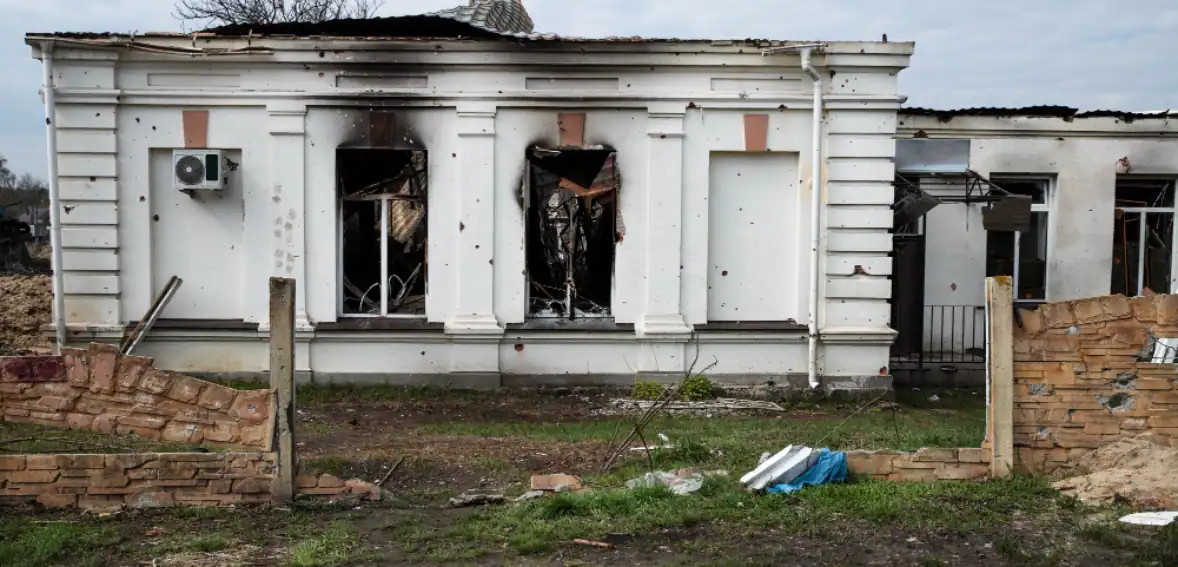
Selling a house with unresolved issues can feel overwhelming, especially when dealing with Delaware property maintenance code violations or a condemnation notice. These situations can affect your ability to find buyers, secure financing, and a smooth closing process. Understanding your responsibilities, legal requirements, and available options can help you manage the process better and avoid delays or unexpected problems during the sale.
What Is a Condemned Property?
A condemned property is a home that local authorities have officially declared unsafe for living. To put it simply, this means the house is not suitable for human habitation due to inadequate basic safety and living standards. Normally, a condemned property cannot be occupied unless the problems are resolved. For a property to be considered a home, it should provide basic facilities such as potable water, electricity, and a properly functioning waste-disposal system.
Besides that, the building has to be durable and safe, e.g., without a risk of the roof caving in, the foundation breaking, or other serious forms of damage, and the house must be clean. Heavy pest infestations or insanitary conditions may render the property dangerous enough to warrant condemnation by authorities.
Also, water supply, electricity, and sanitation, as well as factors such as heating or air conditioning, may also influence the housing standards. For instance, residential premises in colder areas must be equipped with effective heating systems to avoid extremely low indoor temperatures during the wintertime.
Alternatively, in hotter climates, ventilation or cooling may be necessary. The building codes and requirements shall therefore differ from location to location, and the standards will not be consistent everywhere.
Generally, condemnation is not the first thing that happens. Most of the time, the municipal authority will examine the premises and grant the owner a period to remedy the issues. There may be several letters, and checking with the owner before taking a more drastic action. Nevertheless, if the building’s condition is very serious, representatives can expedite the condemnation process and will usually not allow any time for repairs.
Common Reasons for Condemning a House (Delaware Context)
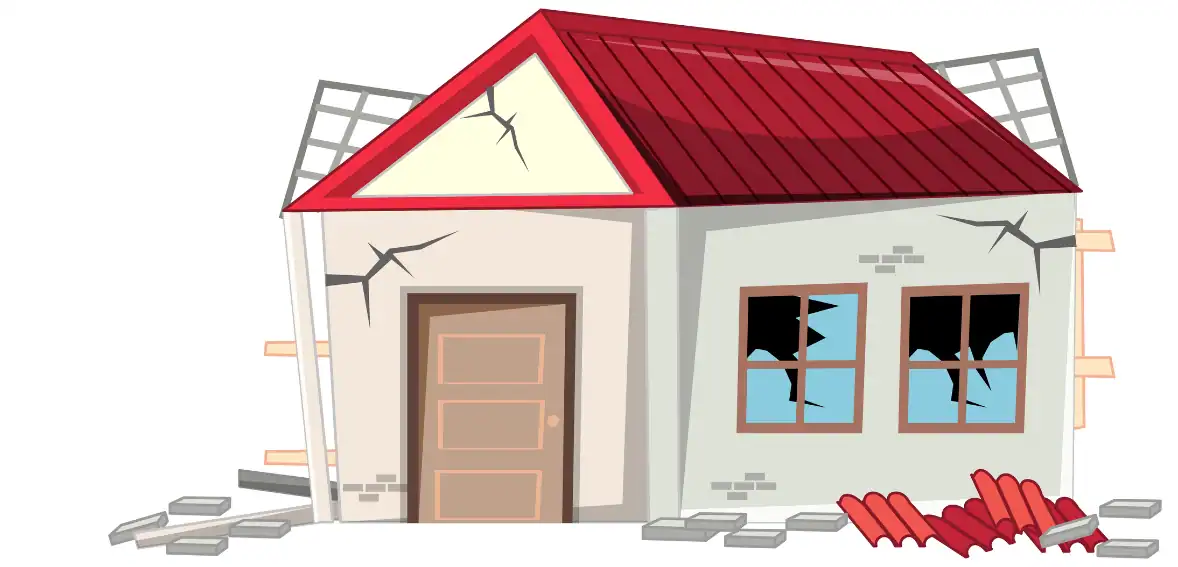
Severe Structural Damage
When a house suffers from serious structural issues, it can rapidly become dangerous. For instance, flooding might compromise the foundation’s integrity or cause the entire building to collapse. Concerns like roof failures is often caused by heavy snow, water damage, and lack of maintenance, leaving the house vulnerable to hazards. At this point, the local government may even prohibit the usage of the property and send the owner an unsafe structure notice in Delaware.
Water Damage and Mold Growth
One of the most common causes of code violations in Delaware is water damage, especially after storms or flooding. If water is not thoroughly removed and properly repaired, it may lead to mold growth. Mold is not merely a surface problem. It can pose major health risks and make the air inside your home dangerous. Once mold infests the entire house, authorities may deem the place uninhabitable.
Fire Damage and Utility Failure
A home fire can drastically disrupt the normal functioning and safety of a living. For instance, the electrical circuits may not be operative, and walls and ceilings might suffer significant damage. Additionally, smoke residue may make the air unbreathable. So, even if the house is physically there, it might not meet the standard health and safety requirements. Unless it undergoes proper restoration, it can be officially deemed a hazard, and the authorities might prohibit anyone from living there.
Unsanitary Living Conditions
In very extreme cases, a property might be declared unfit due to severe neglect. For instance, hoarding often results in the residents living in horrid conditions. Accumulated rubbish will lead to rodent and insect infestations and create serious sanitation problems. All these factors contribute to violations of local housing legislation and pose health hazards to residents and neighbouring houses.
Ongoing Code Violations
In Delaware, multiple code violations or unresolved violations can even be grounds for condemnation. These are forms of violation that may arise when basic necessities like water and electricity are unavailable, the wiring is dangerous, the sewage system is broken, or the structure is simply deteriorating. If the owner still does not rectify these problems within the stipulated time, the authorities may proceed to place the property under restricted use.
How Delaware Property Maintenance Code Violations / Condemnation Impact a Sale
1. Disclosure Obligations
Sellers are required to honestly disclose the real condition of a property under the Delaware Real Estate Commission rules (Title 6, Chapter 25). These disclosures should include any recognized code violations or valid notices of condemnation. The disclosure should be given before a buyer submits an offer, and if there are any changes before closing, it should be updated.
If the seller uses deception by hiding or omitting the problem, it can lead to lawsuits or termination of the deal. At the same time, being straightforward helps build trust and keeps the transaction moving smoothly.
2. Buyer Financing and Transaction Barriers
Under Delaware Code, Title 9, Chapter 29, if the property is not compliant with safety standards, it may be declared unsafe or unfit for habitation. In such instances, the authorities have the power to order the property vacated or to limit its use until necessary works are completed. This raises a major problem when selling.
A majority of lenders refuse to issue loans for properties that are unsafe to live in. Consequently, prospective buyers who rely on financing may decide against buying such properties. This normally restricts sales to cash buyers or investors, which can lead to lower demand and a slower pace.
3. Title and Settlement Implications
Unpaid code violations can not only result in the owner being held financially responsible but also interfere with closing. As per Title 9, Chapter 29, if homeowners fail to make repairs, local authorities can make the repairs themselves and impose the costs on the property owners. Such costs may be converted into liens, which are typically required to be removed before the owner transfers the property.
Meanwhile, sellers are obliged to keep disclosing changes and updating on any new developments until closing. Therefore, if there are unresolved issues and inaccuracies in the records, a condemned house in Delaware can be delayed. Before the deal is signed, buyers and title companies generally want to ensure there are no loose ends.
4. Title / Escrow Holdbacks in Some Cases
In some cases, especially when the violations are still open, parties may agree upon an escrow holdback at closing. This means that a part of the seller’s proceeds is held temporarily by the settlement agent to cover the cost of the repairs or potential liens that are still open. Nevertheless, lenders may still impose very strict conditions on these kinds of transactions, and not all buyers will be willing to accept this arrangement.
Typically, escrow holdbacks are negotiated based on the severity of the violations and the estimated repair costs. They serve as an assurance that the unresolved matters will be dealt with even after the settlement, thus giving comfort to the parties involved.
5. Marketability and Pricing Impact
Code violations and condemnation notices are two factors that can significantly decrease a property’s value. A lot of buyers perceive such houses as risky mainly because of the possibility of extra expenses, delays, and legal proceedings.
The consequence is that sellers may have to resort to price reduction or try to attract interested buyers by offering other benefits.
6. Practical Effect on the Sale Process
Delaware homeowners who are considering selling a property with violations should plan carefully. It is advised that the sellers collect all records of the violations, understand the deadlines clearly, and decide whether to fix the violations or sell the property as is.
Maintaining the records properly throughout is very important. It can include notices, repair estimates, and updated disclosures. In many transactions, buyers and sellers reach agreement through negotiations over repairs, credits, or escrow arrangements. Although these properties can be sold, the procedure is generally more complicated and takes longer than a standard sale.
Step-by-Step Checklist for Handling Violations
Step 1: Pull Violation History
Firstly, gather detailed information on the property’s condition. Contact your local code enforcement department and ask for documentation of any current and past violations. Focus on safety-related issues and living standards types. It’s also advisable to check for any unpaid fines or notices that could turn into financial liabilities. Obtaining a comprehensive history provides you with a clear picture and prevents unexpected issues later in the sale.
Step 2: Understand Deadlines and Orders
Once you’ve obtained the records, review all the notices carefully. Many violations are accompanied by deadlines, and failing to meet them might worsen the situation. As an extreme measure, the property may even be ordered vacated, or its use may be prohibited until the necessary repairs are completed. In case the violations remain unresolved after the given time, the local authority may intervene and carry out the work, then recover the cost from the property. This may also lead to further fines. Knowing your deadlines helps you plan better and avoid incurring extra costs or experiencing further delays.
Step 3: Check for Liens and Financial Impact
It’s essential to know the financial side of the violations before selling. Unpaid penalties or enforcement actions can sometimes be converted into liens on the property. Therefore, the liens might have to be settled either before the closing or as part of the settlement. Working with a title company or a real estate professional to verify if there are any liens against the property is a good idea. This step helps you avoid delays and ensures you fully understand what needs to be paid or fixed.
Step 4: Decide Repair vs As-Is
The very next thing you need to do is to decide if you want to remedy the problems or sell the property in its current condition ( as-is). On the one hand, repairs increase the home’s value and can attract more buyers, especially those with loans. On the other hand, selling the property as-is may be faster, but it typically limits your buyers to investors and may result in a lower price.
Sometimes, sellers do major repairs to ensure safety and leave minor issues for the buyer. Whatever your choice, you must disclose all problems you are aware of and keep the information up to date if anything changes before the closing.
Step 5: Prepare for Buyer and Lender Demands
Consider the perspective of buyers and lenders regarding the property. Most lenders will reject financing if the house poses major safety risks or is not suitable for living. In fact, you might have to revise your plan, such as targeting cash buyers or being willing to negotiate more.
Additionally, some buyers might request repair credits or insist that certain fixes be completed before they sign the contract. If you anticipate these demands in advance, you can avoid getting stuck after you sign the contract.
Step 6: Keep a Paper Trail for Closing
Throughout the transaction, keep your paperwork well-organized. Fill out the property disclosure form carefully and hand it over prior to the buyer’s offer. Also, keep copies of violation notices, repair estimates, receipts, and any updates you provide.
If new problems arise, revise your disclosure immediately. Such documents are a part of the final contract and are essential for the protection of both parties. Having clear, correct documents makes the closing process easier and minimizes the risk of disagreements after the sale.
Preventing Future Condemnation
A home doesn’t become condemned in just a few days. Usually, it is a result of the gradual escalation of small problems that have been ignored for a long time or the failure to carry out regular maintenance. The good news is that many of these situations can be avoided with simple steps and consistent care.
Firstly, one of the best ways to protect your property is to ensure your homeowners’ insurance does not lapse. Even the most basic policy can help you deal with things like fire, storms, or water damage. On the other hand, the absence of insurance will make the repairs a financial burden, while delaying repairs will only allow the problems to get worse and larger over time.
Secondly, another smart move is to always maintain a separate maintenance fund. A house needs to be taken care of at all times. It can be something small, such as repairing a leak, eradicating pests, or inspecting the electrical system. Initially, the costs of these measures might seem insignificant, but neglecting them can lead to property deterioration and dangerous consequences for the building’s safety.
Thirdly, paying close attention to little details can really help. Let’s say a tiny drip or a hairline crack might not seem like a big deal, but if you don’t take care of them, they can turn into bigger problems like mold, house damage, or plumbing issues. Dealing with small problems by repairing them is always a great way to avoid major issues.
Additionally, another very important stage is to know your community’s housing codes. A house built with great workmanship can still have a problem if it doesn’t meet the minimum safety regulations. Getting informed about the requirements can help one stay compliant and avoid violations over time. When you lease out your place, it’s good to keep yourself updated. Selecting good tenants and regularly inspecting the property can help you avoid damage and loss.
Conclusion
Selling a property with major issues can be pretty challenging, but with the right approach, it is definitely possible. If you want to sell a house with code violations in Delaware, you should disclose all the faults, document everything clearly, and price the property realistically. Whether making repairs or selling as-is, with honesty and thoroughness, you can eliminate delays, minimize risks, sell a house fast, sell condemned property in DE, and conclude the sale successfully and confidently.
FAQs
Do I have to disclose open code violations in Delaware?
Yes, definitely. The law requires that sellers disclose known material defects, including code violations, at the time of making an offer and keep such disclosure up-to-date if changes occur before closing time
Can a condemned property be sold “as it is”?
Definitely, however, only to cash buyers or investors, as most of the lenders don’t finance the properties that are unsafe or not up to the standards of living.
Will open violations delay settlement?
Yes. Besides creating liens, unresolved violations also lead to requirements that must be cleared, and most of the time, that results in delaying closing or requiring escrow holdbacks to move forward.
Should I clear permits/violations before listing or taking a cash offer?
Fixing problems is a good way to attract more buyers, but a cash deal could let you make a quick sale without fixing first, in case of urgency.
How does Wilmington’s code enforcement affect my sale?
Wilmington code enforcement might impose penalties or time limits that could not only delay the closing but also require certain repairs before the property can be sold.
Can I sell as-is in Delaware with violations without fixing anything?
Yes, you are allowed to sell in an as-is condition with violations in Delaware; however, you should be prepared for lower offers and primarily investor interest, as they would be taking the risk of repairs.
What should I include in the disclosure code violations in Delaware?
To avoid legal issues after closing, you need to disclose all the problems you are aware of, notices of violation, and any updates in disclosure code violations in Delaware.
What happens if I receive an unsafe structure notice in Delaware?
Getting an unsafe structure notice in Delaware can mean not only a restriction on occupancy but also that the property must be repaired. Consequently, this could limit the buyers and also delay the transaction process.