
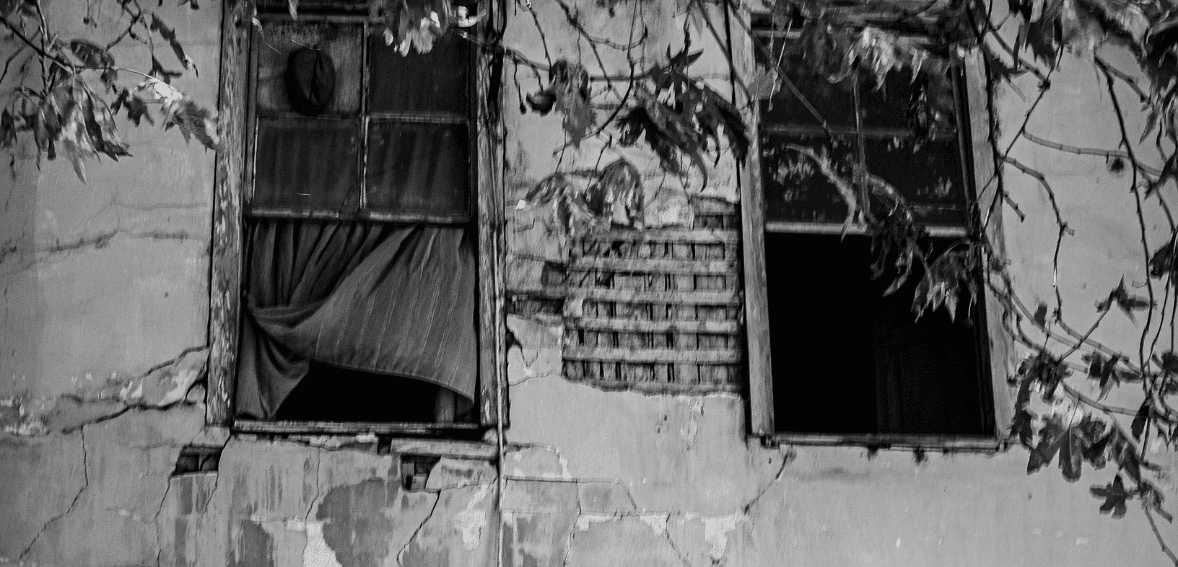
Issues with older homes in Delaware can pose dangers, from asbestos to buried heating oil tanks, that can affect safety, value, and marketability. Testing, inspection, and disclosure help homeowners identify problems, protect health, and make informed choices about repairs or selling the home as-is.
What Is Asbestos?
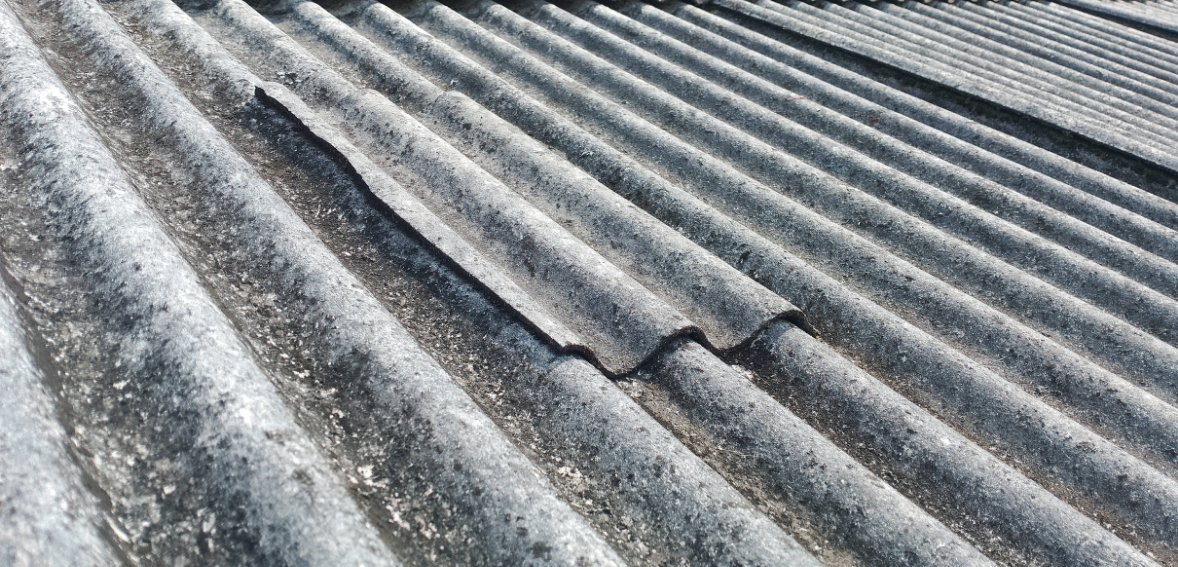
Asbestos is one of several minerals used in construction because it withstands high heat and fire. Asbestos has been used in insulating materials, roofs, fire tiles, and cement. The danger with asbestos is that its fibers can become airborne and remain invisible. They can be easily inhaled and are a serious health risk. Many buildings used today, such as schools and homes, still contain asbestos because construction materials have not been updated. Asbestos remains a danger during renovations.
There are illnesses related to being exposed to asbestos. One of them is Asbestosis, which is a condition in which the lungs have undergone scarring. The scarring stiffens the lung, making it hard to breathe. There are other illnesses like lung cancer and a very rare cancer called mesothelioma, which is a cancer affecting the lung or the lining of the abdominal cavity. There is a likelihood of getting lung cancer after prolonged exposure to asbestos and developing harmful tumors.
The symptoms caused by asbestos exposure develop over a long time, and for this reason, diagnosing and treating them is very difficult. Therefore, asbestos exposure is best avoided. When asbestos materials are not handled properly, hazardous asbestos fibers can be released into the air. It is best to leave asbestos removal to professionals.
Heating Oil Tanks Underground on the Property
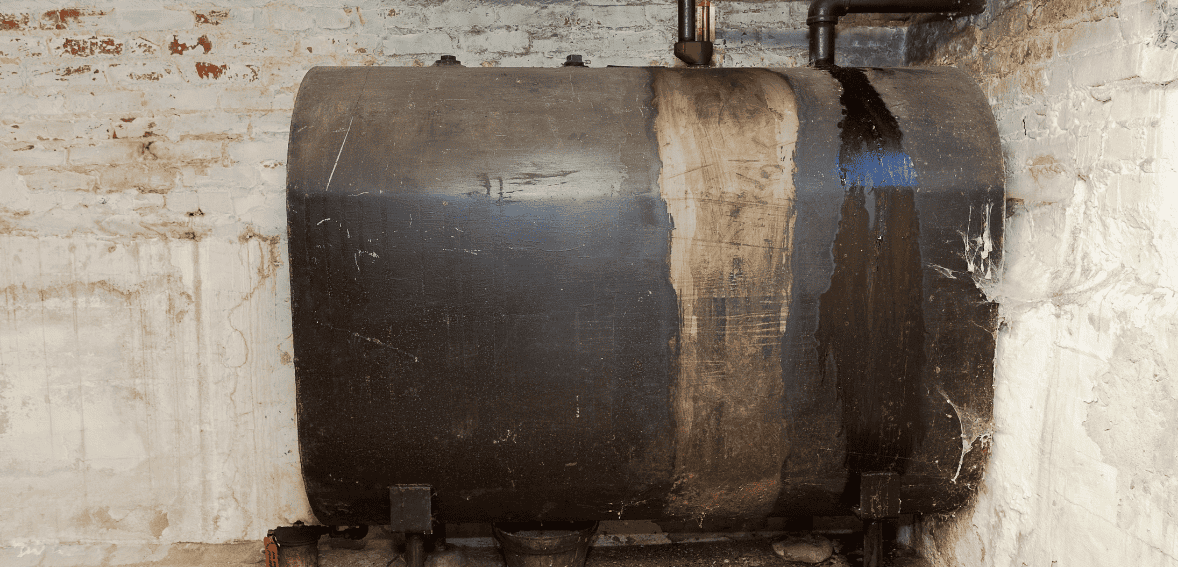
Heating oil tanks are underground storage tanks for heating oil, a fuel used for furnaces and boilers. These tanks are made of steel or fiberglass and are a common feature in older house construction before the widespread use of natural gas. While underground tanks store fuel conveniently out of sight, they can leak and contaminate the surrounding soil and groundwater. Tanks can corrode and eventually be damaged, which causes leaks. These leaks can result in environmental damage and are expensive to remediate. Homeowners need to regularly inspect, maintain, and replace tanks to ensure safety and compliance.
Older Homes and Their Problems
Understanding the numerous issues that can afflict older homes and why some homes are more burdensome than others can offer insights. One significant factor is the home’s location. Weather-related factors that may seem minor, such as humidity, rainfall, and extreme temperatures, can affect how a home ages. These factors can eventually lead to structural warping and weakening, causing problems such as a leaking roof or a moist basement. Homes sited in flood- or earthquake-prone areas are also high risk.
What a home is used for and how it is preserved over the years can make a huge difference. A neglected home, even if newer, may have severe issues compared to an older home that has been preserved and cared for. Likewise, if a home is well-maintained, it can look virtually brand new, despite its age. Structural changes, upgraded insulation, and improvements in critical areas can keep the home virtually problem-free.
The types of construction and materials used also make a difference. Houses made with high-quality materials and craftsmanship tend to be easier to maintain over time. The style of a house may also influence how well it withstands environmental factors. One may note that regular homes show more wear and tear than their custom-built counterparts, as the latter are typically made of higher-quality materials and built to a higher standard.
Why Are These Deal Killers for Owners

For potential buyers and for property sales to proceed, the presence of asbestos and underground heating oil tanks can deter them. Old buildings used to contain asbestos, a collection of minerals that are very sturdy, heat-resistant, and have a variety of applications, including insulation, floor tiles, roofing, and cement. The issue is that these materials are safe as long as they are not disturbed. During renovations or demolitions, they can release very fine, invisible fibers into the air.
These fibers can be inhaled and become trapped in the lungs and, over time, lead to fatal illnesses such as asbestosis, lung cancer, or mesothelioma. Because these illnesses may take years to develop, buyers are understandably wary of purchasing properties that may have asbestos. Removing asbestos is a specialized process that must be completed before any renovations can begin.
Heating oil tanks buried underground pose additional threats. These tanks are specifically designed to store heating oil for boilers or furnaces. Typically, in older homes, hiding the fuel out of sight can lead to corrosion or damage, causing leaks and contaminating soil and groundwater. Inactive tanks pose additional concerns for prospective purchasers, and buyers will need evidence that the tank is registered, closed, or transferred if it’s no longer in use.
To avoid legal and environmental complications, help is often needed to complete registration, report transfer, or close the tank. Asbestos, along with underground oil tanks, can cause delays, increase costs, or create safety concerns; these are the most common reasons for rescission. Dealing with these issues at the start can improve property safety, make it easier to sell, and deliver a better product to buyers.
Repair vs Selling Property As-Is
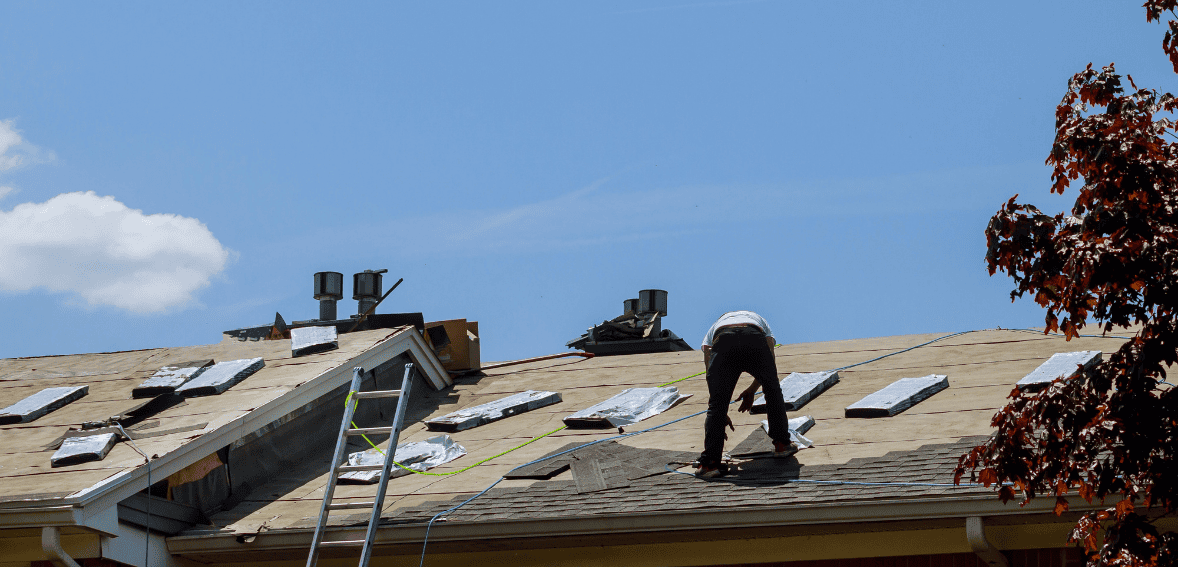
After issues like asbestos or underground heating oil tanks are uncovered, deciding whether to redo a property or sell it as-is largely depends on the testing and confirmation stages. In asbestos cases, an expert must inspect materials such as insulation, floor tiles, and even the entire roof. It’s vital to learn about the type of asbestos and the degree of contamination. The same goes for underground tanks. These can be diagnosed by a specialist who will also prepare a report on their condition, history of use, and leakage.
After identifying these hazardous materials, the next step is to calculate the possible costs of remediation or closure. For example, one has to obtain prices for asbestos abatement (removal & encapsulation) and then decide whether the removal will be total or partial. In the case of oil tanks, the main concern is estimating the costs associated with closure, transfer, removal, and if necessary, soil reclamation, along with other related costs.
If the seller believes the costs are reasonable relative to the property’s value, they can proceed. If costs appear to be significantly higher, selling the property as-is may be a better option. In any case, complete transparency is of the utmost importance. Buyers have a right to learn about the property, estimate repair costs, and understand any applicable laws and regulations.
The seller is protected in this case as well, and it provides the buyer with the information they need to make educated decisions. Once the seller has determined costs and projected value, he can choose between repairs to improve the property’s marketability and safety or, to avoid initial costs and expedite the process, sell as-is. The choice is then followed with the appropriate action, whether that be completing the necessary repairs and updating the marketing materials, or preparing the as-is sale with the appropriate disclosures and pricing.
More Issues with Older Homes for the Owner
If the home is older than the buyer, they may have to consider how to keep the home sale down to the facts. One such area is insulation. Many older homes are sadly neglected and don’t have the most up-to-date insulation in the walls. Good insulation is what keeps heat in the home, and a lack of it can make the home difficult and costly to heat, which can be a major turn-off for potential buyers.
Dampness is another concern. Cracked tiles, worn window seals, or old joints can let in moisture, leading to mould/damp patches. While it may at first appear to be a minor concern, it can cause rot and structural issues and may put the occupants’ health at risk.
Older homes are often vulnerable to various architectural problems, including cracks, rotting wood, and ill-fitting foundations. Rotten wood, for example, is caused by leaking pipes. Getting a professional inspection helps identify these issues before a sale.
Many buyers overlook old drainage and plumbing systems. They can cause serious problems and flooding/leaks. Buyers get peace of mind after a professional inspection that these systems are functional and the property is safe.
Structural problems, poor drainage, and inadequate insulation all contribute to dampness, potential lost sales, and a lower overall price for the property. Being upfront with buyers or fixing the problems early helps build trust and makes the selling process easier.
Conclusion
Older homes in Delaware are potential housing risks due to the environmental hazards they contain. These hazards include asbestos and underground heating oil tanks. They can impact the cost and overall value of the property. Clear environmental hazards can be better managed with testing and inspections. These hazards, when identified early, can make it easier to decide whether to repair or sell the home as-is.
Frequently Asked Questions
Do I need to remove asbestos before selling?
It is not always necessary to remove asbestos, but to keep the home safe and remain legally compliant, it should be handled by a professional.
Are underground heating oil tanks regulated in Delaware?
Yes, Delaware has regulations governing buried heating oil tanks to prevent further environmental contamination.
What is the responsibility of a tank owner regarding the transfer of tank ownership?
State authorities should be informed of ownership changes so the new owner can be held accountable for safety and regulatory compliance.
Can I sell a house with a tank and/or suspected asbestos without making any modifications?
You can sell as-is, but you must legally warn buyers of the risks and hazards.
How do I know if my house has asbestos?
Contact a professional to evaluate the house and determine if asbestos is present and, if so, to what extent.
What is involved in closing an underground oil tank?
To ensure compliance with safety and regulatory requirements, an oil tank must be removed by a professional, closed in place, and then soil sampling and reporting of the results must be performed.