
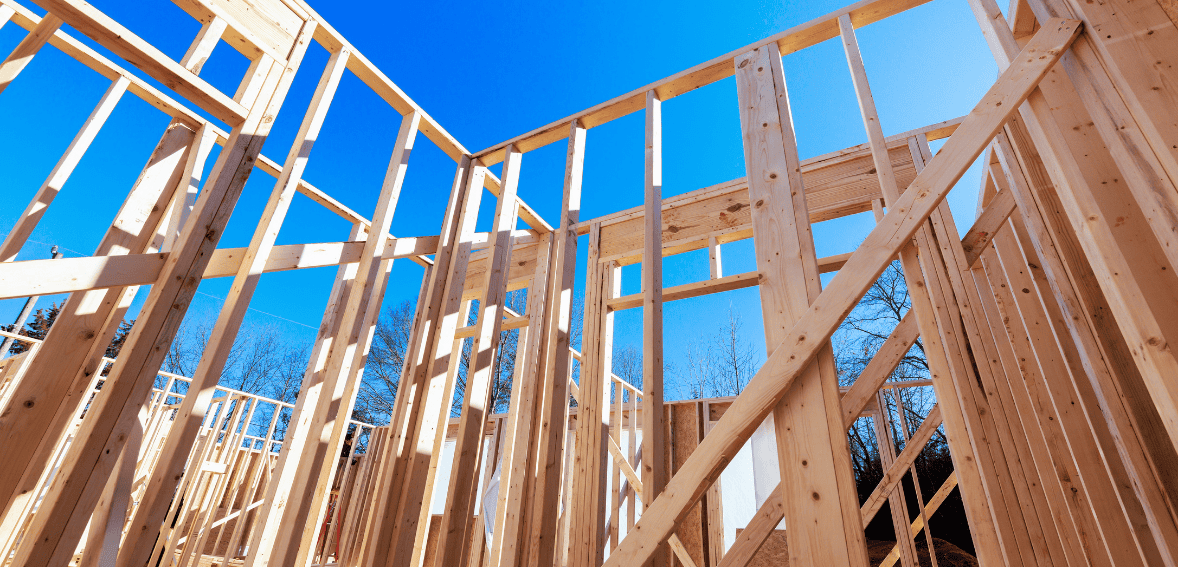
Selling a house with foundation problems in Delaware can be challenging, as buyers are often cautious about potential repair costs. Cash buyers, in particular, focus on understanding the full extent of structural issues before making an offer. They evaluate visible damage, obtain professional assessments, and factor in repair costs plus contingencies to determine a fair purchase price, ensuring the investment is financially viable.
Common Structural Problems
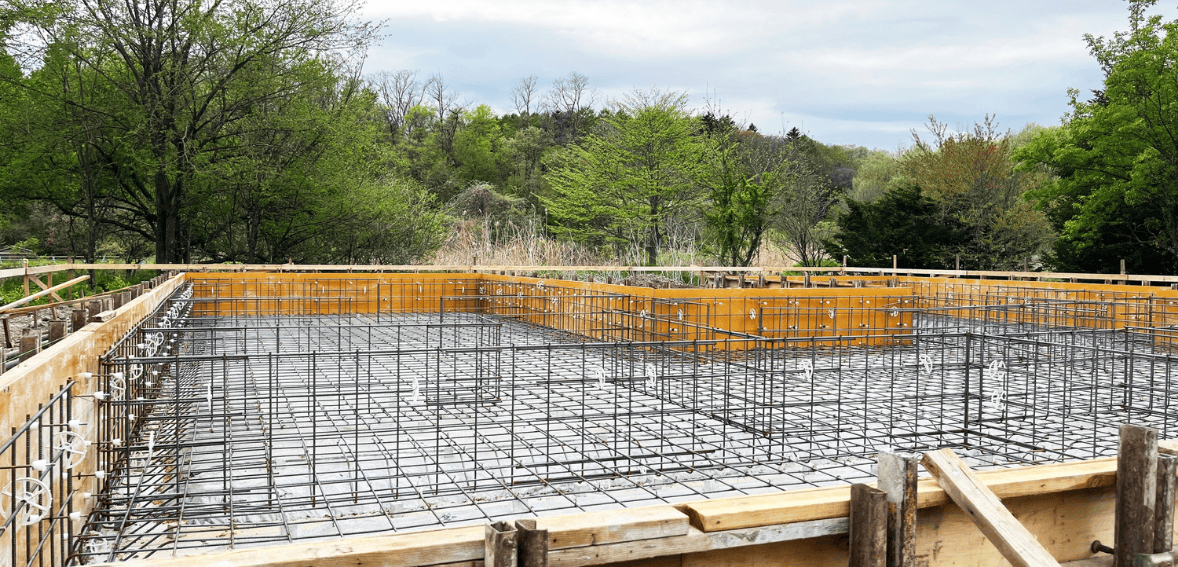
Buildings can suffer from numerous structural problems, some of which are more common than others. It is important to recognize these early so you can take necessary measures immediately to prevent serious damage.
Typical issues include structural movements related to changes in soil conditions, such as expansion, contraction, or uneven ground settlement. These movements usually lead to wall cracks, non-level floors, and misaligned doors or windows. Water intrusion is also common; moisture entering walls, crawl spaces, or attics can cause wood decay and metal corrosion.
Other concerns include roof-related issues resulting from deteriorating components, improper drainage, or severe winds. Structural failure may also develop due to the weakening of load-bearing elements such as beams, joists, or columns.
Prompt intervention is necessary to minimize damage. Sealing leaks and improving drainage and moisture management will help halt the progression of deterioration or foundation-related issues. Restoring weakened support beams increases structural integrity and prevents further complications.
It is essential to address these factors as soon as possible, as ignoring them can lead to total structural failure. Soil shifts often occur due to poor drainage, which destabilizes the foundation over time.
Common symptoms include gaps between the ground and the building’s base, cracking in foundation walls and floors, tilting floors, and difficulty operating doors and windows. Foundation problems are not always caused by natural processes; human error and the use of substandard materials can also contribute.
Recognizing Early Signs of Structural Problems

It is much less stressful and cheaper to fix structural problems before they escalate. While some signs are obvious, others require professional investigation. Never ignore cracks in walls or ceilings. While small cracks may be minor, larger fissures, stair-step cracks in brickwork, and cracks radiating from windows and doors indicate the structure is under strain. Additionally, any vertical or diagonal cracks in a house’s foundation indicate serious underlying issues.
Another common sign is uneven flooring. This condition usually develops gradually, and homeowners may only notice when the slope becomes pronounced. Causes of uneven floors include joist or subfloor damage and exposure to excessive moisture.
Other warning signs include leaning walls, sticking doors or windows, gaps between the floor and baseboards, and floors that sag or bounce when walked upon.In these cases, it is best to call an expert for a proper inspection. Early detection allows for more affordable solutions, ensuring the long-term stability of the home.
Structural Engineer Reports: Ensuring Safety and Long-Term Value

The role of a structural engineer is vital in maintaining a building’s condition. Their expertise helps identify issues, provide data-backed suggestions, and ensure repairs are handled properly. Structural engineering is especially useful when dealing with location-specific challenges, including Delaware’s weather conditions and soil moisture factors.
Structural engineering services provide a complete report on various issues, including assessments of damage extent and proposals for reinforcement. Engineers can design flood-mitigation plans or soil-shifting plans, review current renovation plans, and offer specialized repair solutions.
Additionally, engineers provide recommendations on proper maintenance and on handling emerging issues. Regular inspections and building condition reports make it easier to address problems early, which is particularly beneficial for selling or financing.
By obtaining an assessment from a structural engineer, you are not only solving existing problems but also ensuring the future safety of your property. This saves time and money while providing peace of mind that the building is sound.
How Buyers Factor Structural Risks into Property Pricing
It can be difficult to ascertain the cost and duration of structural repairs. Consequently, buyers typically evaluate the total cost and include a contingency buffer. They must determine if a problem is manageable and whether temporary stabilization or a complete restoration is required. While stabilization involves temporary fixes to prevent further movement, replacing damaged structural parts is more costly but far more effective.
The first step is seeking estimates from structural engineers and contractors. Minor structural problems that require only stabilization may cost a few thousand dollars, whereas extensive issues may cost significantly more. Because hidden complications often emerge once repairs begin, buyers should set aside a 10-20 percent contingency for unforeseen issues like hidden water damage or material rot.
Once repair costs and contingencies are calculated, buyers factor this into the purchase price. This might involve a reduced offer, a repair credit at closing, or requiring the seller to perform specific repairs beforehand. A professional engineer’s report or contractor estimate simplifies this process by removing guesswork. For example, if a full foundation repair costs $25,000 but $10,000 provides immediate stabilization, a 15% contingency on the full repair would bring the total estimated liability to $28,750.
Delaware Property Disclosure: Seller Do’s and Don’ts
When selling homes in Delaware, honesty and transparency are crucial. Sellers must complete the state’s disclosure document before listing the home, ensuring all information is accurate to the best of their knowledge. This includes any factors that may affect the property’s safety or value.
Disclosure Do’s: What Sellers Should Do
A seller must always respond to disclosure questions honestly based on their actual knowledge of the home. They should provide factual information regarding the property’s history and current state.
The disclosure form must be provided to the buyer before an offer is signed, and both parties must sign it as part of the agreement. The seller must also update the disclosure if new issues are discovered after the form is filled out but before the deal closes.
If a seller answers “yes” to a defect question, they must clearly explain the nature and significance of the issue. If a seller does not know the answer to a question, they should indicate that, or mark the question “not applicable” if it does not apply to the property.
Disclosure Don’ts — What Sellers Must Avoid
It is improper and often illegal for sellers to withhold information about known defects from potential buyers. Hiding details regarding foundation cracks, flooding, or drainage issues violates Delaware law. Furthermore, sellers should not guess; if an answer is unknown, they should be honest about that lack of knowledge. The disclosure is not a warranty, but a good-faith attempt to inform the buyer. Sellers must not delay informing the buyer of any new defects discovered after the initial disclosure, and skipping the form is permitted only in specific, legally exempted transactions.
Accurate and truthful disclosures protect both the buyer and the seller. This transparency ensures the transaction complies with Delaware state laws and prevents future legal disputes.
Conclusion
By selling a house “as-is” in Delaware, homeowners can move forward without the burden of expensive structural repairs. Being upfront about property issues makes it easier to find cash buyers who can handle the required work smoothly and close the deal quickly.
FAQs
Do foundation problems stop a home sale?
Foundation problems will not automatically prevent a sale, though they will typically result in a lower purchase price to account for repair costs or as-is conditions.
Should I get a structural engineer report before selling?
Yes, hiring a structural engineer can help identify specific defects and provide cost estimates, which aids in fair price negotiations.
Do I have to disclose structural issues in Delaware?
Yes. Delaware law requires sellers to disclose all known structural issues on the state’s official disclosure form before a buyer makes an offer.
Can a buyer back out if they discover structural damage?
Yes, a buyer can often negotiate the price or terminate the contract if structural damage is discovered during the due diligence period.
Can I resolve my foundation issues in Delaware before closing?
Yes, sellers and buyers can resolve foundation issues before closing by agreeing on necessary repairs or providing financial credits to the buyer.
Is it possible to sell a house with serious structural damage?
Yes, it is possible to sell a house with serious structural damage in Delaware as-is, though the sale price will be reduced to reflect the cost of repairs.