
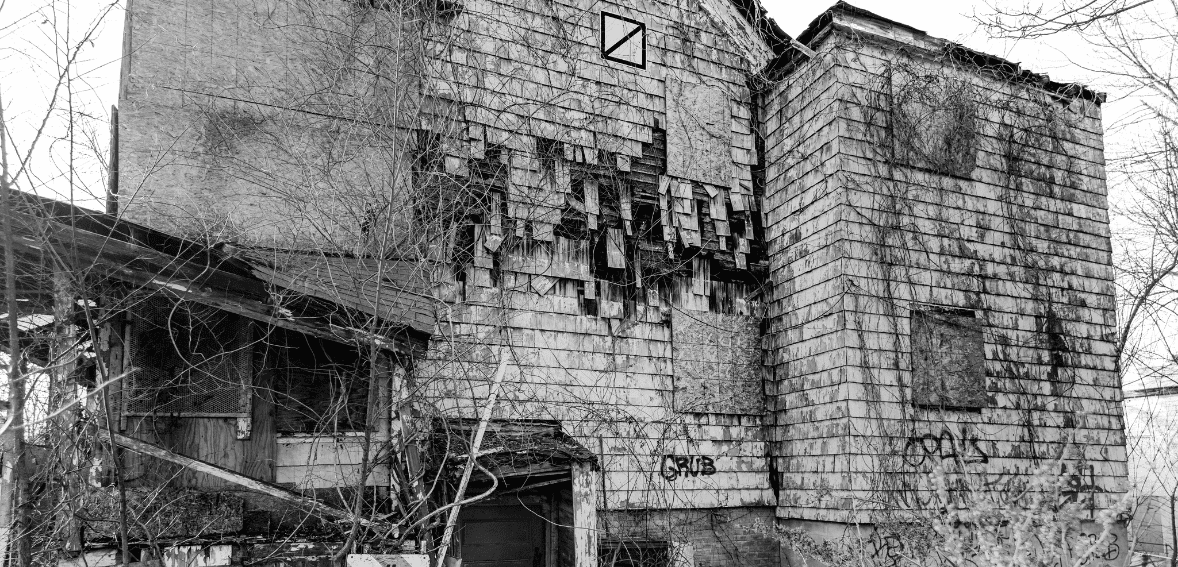
Thinking about selling a fire-damaged house in Delaware can be stressful, and homeowners often face a key choice: file an insurance claim or pursue an as-is cash sale. Each option has its pros and cons; insurance claims can help cover repairs but take time, while as-is cash sales offer speed and simplicity. Understanding the differences helps you decide the best path forward.
Understanding Insurance Claim
An insurance claim is a request you make to your insurance company for them to cover you for an incident or loss that is covered under your policy. Once you have made your claim, your insurance company will process it and determine whether it is valid. If it is valid, they will pay you or an approved party for your loss.
Understanding As-Is Cash Offers in Real Estate

In an as-is purchase, the cash offered is the buyer’s agreement to pay the full amount as agreed, without taking a loan, and to purchase the house as is, without the seller being required to make any repairs or improvements. The buyer, instead of using a loan, will present proof of funds, such as a bank statement or letter, and pay the amount at the closing table through wire transfer or check.
This eliminates the stress of finding financing, which can hold up a traditional sale. There is no risk in waiting for mortgage approval, and the deal can be done in a matter of days rather than weeks.
This method of selling is becoming increasingly popular among sellers who want to sell quickly and hassle-free, especially if the home needs repairs or is being sold in its current condition. Cash buyers are usually people looking to flip houses or homeowners who want to sell quickly, making an as-is cash sale a win-win for all parties.
Insurance Claim vs. As-Is Cash Sale
Selling the fire-damaged house is stressful, and the homeowner is often left with the option of filing an insurance claim or selling it as-is for cash. Both options are helpful for getting the most out of the damages, but they are very different, and each has its own set of challenges.
Making an insurance claim helps the homeowner use their insurance to fix the damage caused by the fire. This option helps restore the house to its original condition, and the homeowner can sell it at full value later. However, this is a time-consuming and labor-intensive process. The homeowner will need to document the fire damage, and insurance adjusters will assess it.
There is a chance the insurance company and the homeowner will disagree over the damage and repair costs. The homeowner will need to be careful to avoid scams and ensure the insurance payout covers the full cost of repairs, as the insurance may not pay the entire amount.
An as-is cash sale, on the other hand, is often faster and easier. In this case, the cash buyer, who is often an investor or a house flipper, buys the home in its current condition without having to fix it or claim insurance. The price offered for the house is often lower than its market value, given the cost of fire-damage remediation and the unknown extent of repairs. However, this smoke-damaged house sell-as-is approach can be beneficial by saving time, avoiding expenses such as mortgage payments, taxes, and utilities, and relieving stress related to fixing the house or dealing with insurance companies. It can also prevent conflicts with contractors.
When comparing the two, insurance claims may prove to be more useful for you, but there is also complexity, potential delays, and paperwork that you need to be on top of. You need to make sure you are tracking the estimates and that the contractors are completing the work to the fullest extent, or you may end up with a half-repaired house and a potential scam.
With an as-is cash sale, you get speed, convenience, and no headaches, though you give up a significant amount of money. Homeowners who need the money fast, don’t want to deal with repairs, or don’t want to deal with multiple contractors may find this a much more appealing option.
At the end of it all, it comes down to prioritizing your needs. Whether you prefer expediency and ease over possibly greater monetary returns, and how much you are willing to invest in terms of your time and resources in dealing with repairs, contractors, and paperwork for your insurance claims, plays a great role in determining your choice. Knowing the pros and cons of each option, as well as common pitfalls like contractor scams and unfinished work, can help you make a confident decision when selling your fire-damaged home.
Special Considerations
Insurance rate changes can seem very random. Since even the smallest claim can affect insurance rates, the first thing to do is to familiarize yourself with your insurance policy.
Some insurance companies will forgive the first claim, while others will only stop counting it after a few years. By being familiar with these types of details, you can make an informed decision on whether filing an insurance claim is worth the cost. Be sure to discuss this with your insurance agent before an incident occurs.
Important Tips for Documenting Your Insurance Claim
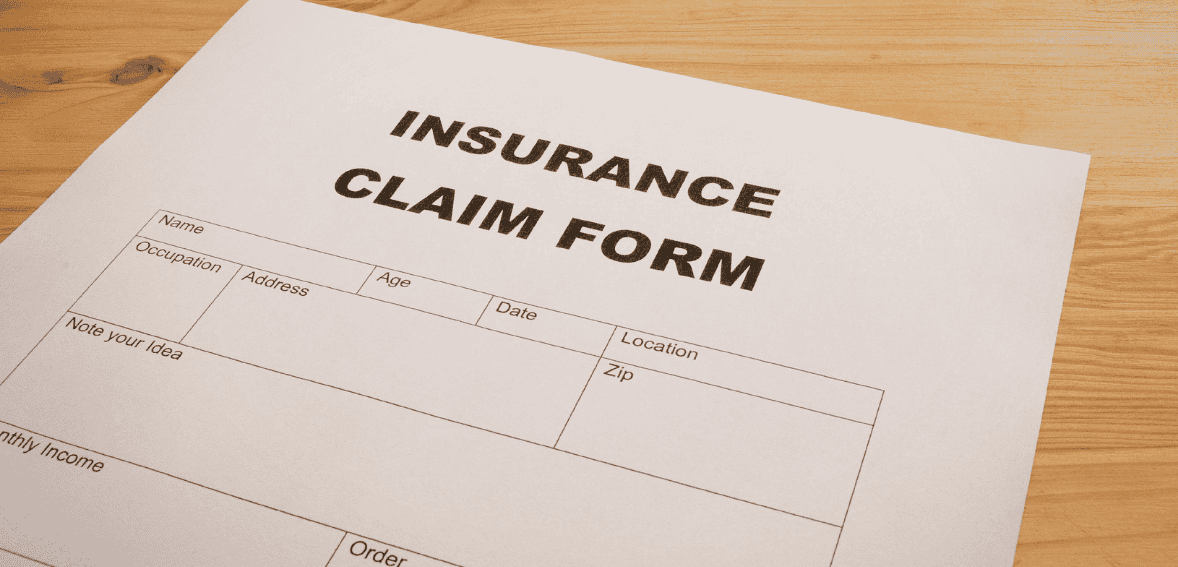
Documentation is one of the most critical components of an insurance claim. After a traumatic experience, it’s common to forget some critical information, and this could work against your chances of getting adequate compensation. Documentation will help to narrate your story and ensure that your case receives fair treatment.
Taking pictures immediately after the damage occurs is crucial. The images will help to provide evidence of the fire damage. The use of before and after images will be very useful, and the best part? It’s now easier to record dates and times thanks to current technology. If, because of your injuries, you cannot take your own pictures, there’s a possibility that law enforcement agencies will be able to provide images. It’s a good idea to walk around your house with a camera or video, especially if there’s damage, to document your valuables.
Make sure to document all communication with the insurance company, adjusters, or any other party involved in the accident. This will include the date, the time, and the person you are talking to. This will ensure that you do not get confused about the communication, which can be very efficient in the end.
It is a good idea to retain receipts for the expenses incurred due to the accident, as well as other important documents, which can be scanned onto the phone or the computer in case the physical copies are lost.
Documentation for your claim should begin as soon as possible. There are time limits for filing insurance claims, and if you fail to file your claim within this time, your claim can be denied. The insurance policy outlines the time limits for filing a claim for personal injury or property damage. Thus, timely action is important for a successful insurance claim.
In simple words, timely and organized documentation, including photos, medical records, and receipts, is important for a successful insurance claim.
Tips for Selling a Fire- or Smoke-Damaged House As-Is
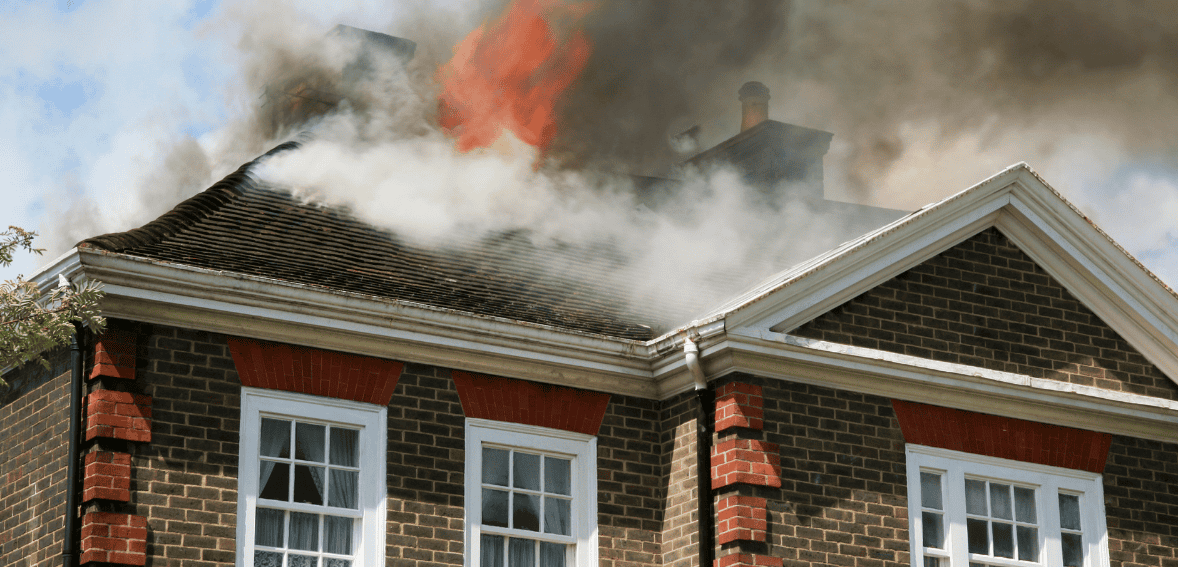
Firstly, be honest about the state of the house. Be upfront from the beginning, both in your listing and in your sales materials, about selling the house as-is and making no promises about repairs. Consider including this in your sales agreement and getting a pre-inspection to help you identify damage from fire or smoke. By sharing this information with prospective buyers, you can build trust and price your house fairly.
Secondly, disclose all known damage. Even though you are selling the house as-is, you still have to disclose all known damage. This will help prospective buyers make an informed decision. It will also help you avoid future problems and keep you honest with prospective buyers.
Tidy up the property. Even if you’re not undertaking repairs to fix major issues, a clean, well-organized property will always be more attractive than a messy one. Take your time removing all the rubble, cleaning up your yard, and making your house as presentable as possible.
Be aware of your walk-away price. It is always a good idea to determine your lowest acceptable price before you start receiving offers. Remember, fire and smoke damage can significantly affect your home’s value. You can be willing to make some small changes, but not ones that will undermine your main goal of selling your home as-is.
Don’t forget about additional documents, as they can help back up your pricing to potential buyers.
Lastly, work with experienced buyers. Investors or house flippers who have worked with damaged properties are aware of the risk and cost involved in repairing the damage. Targeting the right audience will help avoid delays and ensure the smooth sale of the property. Experienced buyers are usually comfortable with the property’s condition and are less likely to request repairs, thereby speeding up the process.
Conclusion
When selling a house damaged by fire, especially in a state like Delaware, it is important to be honest with potential buyers and disclose the fire damage. Whether you are making an insurance claim or selling the house for cash, honesty is important for a smooth transaction, legal protection, and to prevent future disputes.
FAQs
Should I file an insurance claim before selling?
You might want to consider filing a claim, especially if you want to cover repair costs. However, this might take time, and you might want to consider selling your house fast.
Do I have to disclose fire/smoke damage in Delaware?
Yes, Delaware has laws requiring sellers to fully disclose fire or smoke damage to avoid legal problems.
Can I sell as-is even if repairs aren’t completed?
Yes, selling your house as-is is legal, and you are not obligated to complete repairs.
What documents help a buyer price the damage fairly?
You might want to consider providing your buyer with inspection reports, photos, and estimates from your insurance company, among other documents, to give them a clear idea of the damage caused by fire or smoke.
How do smoke remediation costs affect the selling price?
If the costs are high, this may affect the offers received. It is important to give detailed estimates to help the buyer understand and make a fair offer while selling a burned house in Delaware.
Is it better to repair or sell immediately?
It depends on the priorities. It is better to sell a burned house immediately to avoid any further costs, but this may affect the selling price if repairs are not done. It is also important to fully disclose fire damage when selling a house in Delaware.