
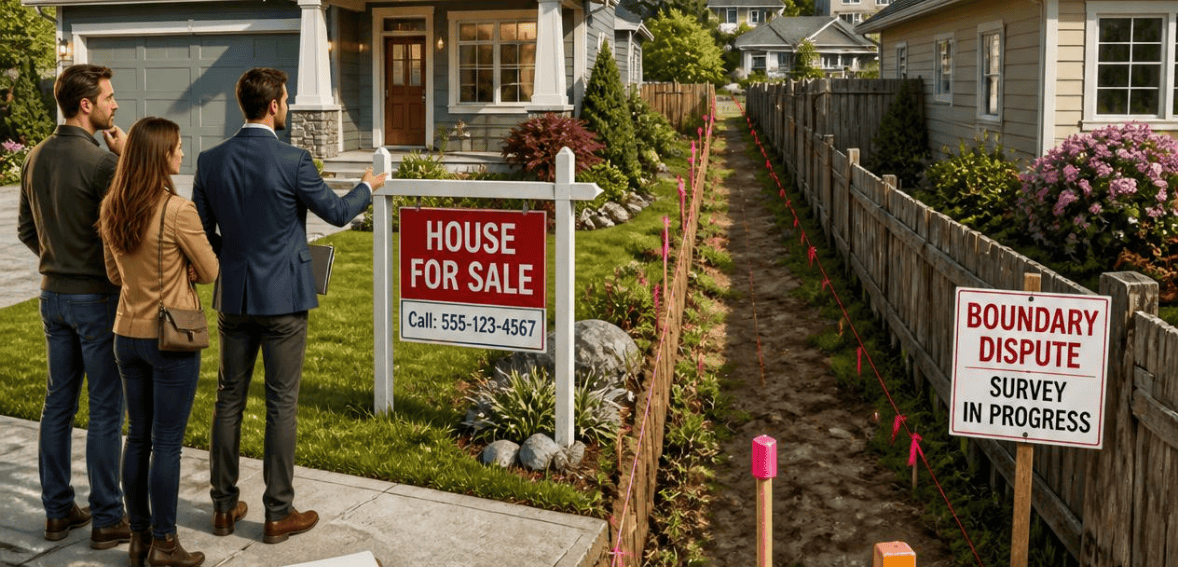
Selling a home is rarely as simple as putting up a “For Sale” sign. Buyers today complete detailed inspections, review public records, and ask questions about everything from the roof to the property lines. One issue that can quickly complicate a transaction is a boundary dispute involving a neighboring property.
If you’re selling a house in Delaware and face a boundary dispute, you may wonder whether buyers will still buy or whether the dispute will keep your home from selling. The good news is that disputes over a boundary will not keep a house from being sold. The bad news is that boundary disputes can affect buyer trust, financing, negotiations, and even the final price paid for your house.
The more you understand your legal obligations, the necessary documents, and how to address boundary disputes, the more confidently you can manage the process. Boundary disputes will always affect property sales, but especially for Delaware homeowners, this boundary dispute sale guide will increase your confidence to finally close your house sale successfully.
Understanding a Boundary Dispute and Why It Matters

A boundary dispute occurs when neighboring property owners disagree about where one property ends and another begins. These disagreements may involve fences, driveways, landscaping, retaining walls, sheds, or even small strips of land that have been used by one neighbor for years.
Discrepancies from old surveys, vague property descriptions, and miscommunications are the sources of many property disputes. Some disputes are minor, but others escalate into civil disputes, barring potential future buyers from the property.
Property lines are essential in property ownership because buyers have the right to clear property ownership. If property ownership is questionable, buyers will not show interest in the property. The American Land Title Association (ALTA) claims that accurate surveys are essential, along with accurate title information for the right protection of property ownership.
How a Neighbor’s Boundary Dispute Can Affect Your Home Sale
The presence of a neighbor’s boundary dispute doesn’t necessarily mean your property is problematic. But buyers do see neighboring property issues as potential problems.
Buyers will fear the possibility of expensive legal battles, ongoing disputes, or limitations on how they can use their property, even with no direct involvement. Moreover, title companies and mortgage lenders may require more information to underwrite the loan and clear title.
Buyers often will experience delays in closing due to a protracted negotiation process with an adjustment to the purchase price due to these issues. If there are court filings, recorded easements, or other actions relating to the property dispute, buyers will be sure to research the issue before moving forward.
Boundary Dispute House Sale Delaware: What Sellers Need to Know

Delaware follows specific real estate disclosure rules that sellers should understand before listing their property. While every situation is unique, failing to disclose known issues can create legal problems after closing.
Delaware Property Disclosure Requirements
In Delaware, sellers must typically reveal any known material facts that would influence a buyer. Selling property subject to a boundary dispute may or may not require the seller to disclose the dispute.
Encroachments, shared access, recorded easements, and disputes are not restricted to “sell and forget it” transactions. An openness policy can significantly reduce the chances of legal action in the future. The Delaware Code Online contains the state statutes concerning real estate law and the ownership of real property.
When a Neighbor’s Dispute Becomes Your Problem
Not all neighborly disputes will concern a potential buyer, but when your property is involved in a dispute, or when your property is referenced in legal documents, potential buyers have a right to disclosure.
For instance, if there is a dispute over a fence and both parties come to a signed agreement, that will likely not concern potential buyers. However, there is a lot of active litigation over where the property lines are drawn; this will likely concern buyers. For this reason, you should consult a Delaware real estate attorney as early in the process as you can.
Will Buyers Walk Away from a Property?
Some buyers will consider the unknown too much of a risk and will back away from the purchase. Other buyers will proceed given that they have a clear understanding of the situation and believe they will be able to control it.
There are many things that affect how buyers will respond, such as the level of severity of the issue in combination with whether it is the subject of legal dispute or the anticipated cost to resolve the issue, and how well the issue has been documented.
Potential buyers who purchase with cash will probably have more options because they will not have to concern themselves with the approval of a lender. On the other hand, buyers that intend to purchase with a loan may deal with more complications if there are title issues.
The most critical element of any real estate transaction is the confidence of all the parties involved. The information that you supply will help the potential buyers in the process of evaluating the property.
How to Sell a Home Despite a Boundary Dispute
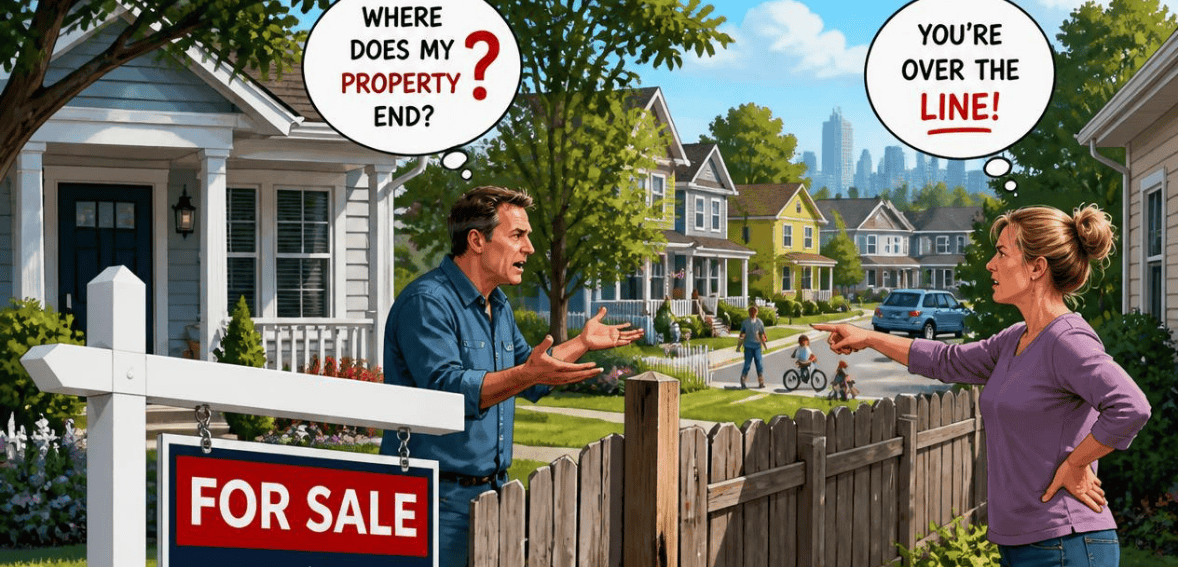
Even with boundary disputes, property sales can still be completed successfully, provided that there is sufficient preparation before the property is listed for sale.
One of the first steps involves collecting and/or creating a file that includes all relevant surveys, title reports, property deeds, correspondence with neighbors, and all completed agreements. Buyers appreciate good recordkeeping and great presentation, which helps with the transparency process and enables the seller, through their agent, to quickly address all buyer questions.
Disputes, if resolved, help ease the sale process. Property line misunderstandings can be resolved with a land survey. Mediation, compared to litigation, is a faster, more cost-effective way to reach a solution. Buyers can be further reassured with a written settlement agreement.
Throughout the sale process, providing all information, especially on a dispute, is a trust builder and often results in a sale versus buyers discovering problems, including disputes, during their due diligence.
The price of the property can be a factor in a sale in consideration of a dispute. The value of a dispute can be better assessed with a local agent who can better price in consideration to local comparative sales.
Should You Settle the Dispute Before Selling?
Resolving the dispute before selling, wherever possible, is the best outcome for all the parties concerned.
Settled boundary disputes remove uncertainty, shorten the negotiation process, and increase buyer confidence. Settled boundary disputes also reduce the risk of closing delays due to lender or title company issues.
Not all disputes are quickly resolved, however. Some issues are legally time-consuming and can take months and even years to resolve. In these cases, it is the responsibility of the seller to work with the legal counsel and real estate professionals to ensure that correct information is communicated to the potential buyers.
Many buyers are willing to buy a property with a known issue if they are informed of the issue and they feel that the issue is a reasonable risk.
Legal and Financial Risks of Ignoring a Boundary Issue
There can be significant repercussions for overlooking a known boundary dispute. Buyers are entitled to believe they are purchasing property without issues. If they identify problems later, they are likely to pursue claims for misleading conduct. This can result, amongst other things, in sale rescission or damages lawsuits.
For some known boundary disputes, title insurance companies will provide neither insurance nor protection. Mortgage lenders will not agree to lend against the property without a clear title.
Finally, the costs of boundary disputes can increase over time, particularly when litigation is involved. Attorney fees, litigation costs, surveys, and time lost from a delayed closing will be, in the end, more expensive and time-consuming than solving the problem early on.
With this in mind, a seller is better off solving a problem early and should not consider it an expense that is better avoided.
When to Work With a Real Estate Attorney
Boundary issues involve property and transaction law. Boundary disputes may include issues with recorded easements, encroachments, adverse possession, lawsuits, or surveys. In these disputes, and many others, you may benefit from legal counsel.
A seasoned Delaware real estate attorney will help you analyze property records, prepare easements and other documents, and represent you before the title company and during the transaction.
Having experienced counsel gives the buyer the comfort that this issue was properly addressed. For issues related to the ownership of real estate, the American Bar Association provides some valuable resources.
Conclusion
A neighboring boundary dispute does not automatically prevent you from selling your home. However, it does require careful planning, honest communication, and proper documentation.
For homeowners dealing with a boundary dispute house sale in Delaware, understanding state disclosure requirements and resolving issues whenever possible can significantly improve the selling experience. Buyers appreciate transparency, and lenders value clear title. By gathering accurate surveys, consulting legal professionals when necessary, and pricing the property appropriately, sellers can reduce uncertainty and increase the likelihood of a successful closing.
Every property transaction is unique, but preparation remains the best strategy. Addressing potential concerns before listing your home often saves time, protects your investment, and builds trust with prospective buyers.
Frequently Asked Questions
Can I sell my house if my neighbor disputes the property line?
Yes. A boundary dispute does not automatically prevent a home sale. However, you may need to disclose the issue, provide supporting documents, and answer buyer questions throughout the transaction.
Does a boundary dispute reduce property value?
It can. The impact depends on the seriousness of the dispute, whether legal action is pending, and how buyers perceive the associated risks. Minor disagreements often have little effect, while active litigation may lower market value.
Is a property survey necessary before selling?
A new survey is not always required, but it is often recommended when property boundaries are questioned. An updated survey can clarify ownership, reduce buyer concerns, and help resolve disagreements before closing.
What should Delaware homeowners do before listing a property with a boundary dispute?
Homeowners should collect deeds, surveys, title documents, and any written agreements related to the dispute. They should also consult a Delaware real estate attorney or experienced real estate professional to understand disclosure requirements and determine the best path toward a successful sale.