
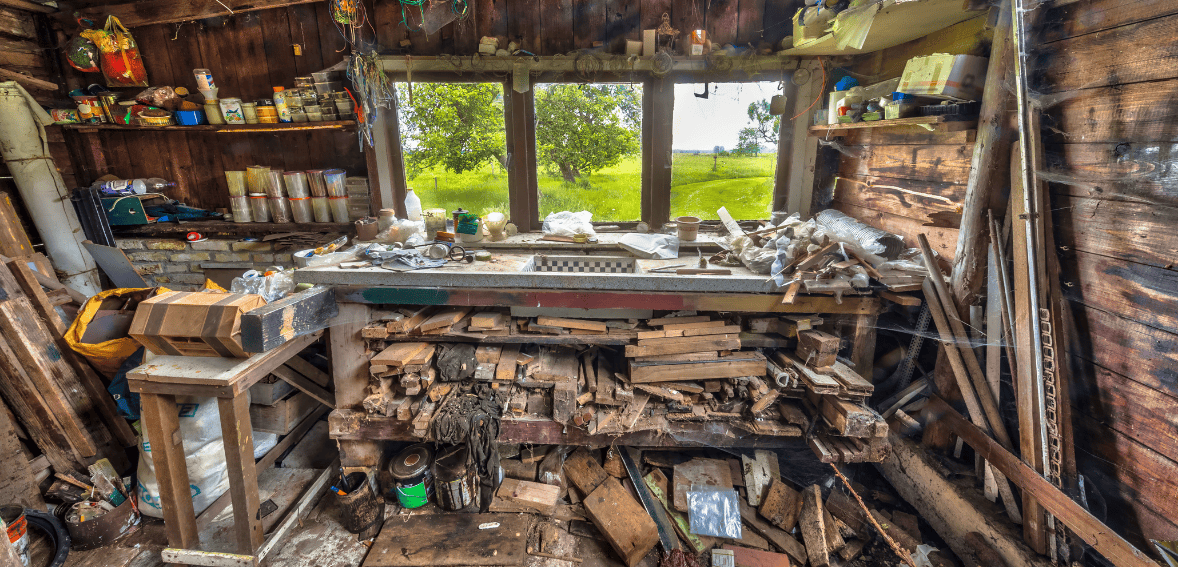
A hoarder house is one of the most difficult properties to sell in today’s real estate market. Between overwhelming clutter, structural damage, odors, pest problems, and emotional stress, many homeowners feel trapped with a property they no longer know how to manage. If you are trying to sell hoarder-house properties in Delaware quickly, the process can seem impossible at first. Traditional real estate agents often recommend extensive cleaning, repairs, staging, and inspections before listing the home, but not every homeowner has the time, money, or emotional energy to take on a massive cleanout project.
Fortunately, you do not need to clear out a hoarder house to sell it in Delaware. Plenty of buyers, especially those who purchase problematic homes, look for properties that are in any and all as-is conditions. Whether you inherited a house that is linked to a family challenge, is currently in foreclosure, or is both out of control and overwhelming, you still have choices. By learning the details of the process, you can eliminate avoidable costs and regain your peace of mind.
Understanding What Qualifies as a Hoarder House

A hoarder house goes far beyond clutter and mess. Hoarded properties can store trash and furniture as well as decades’ worth of appliances and personal belongings. Hoarder houses can even be dangerous. Blocked exits, rotting floors, and pest infestations can all make a property hazardous. While some hoarder houses may have working utilities, they will still require substantial cleanup before any buyer will touch the property.
Aging houses in cities like Wilmington, Dover, and Newark can shift and mold if clutter is left for an extended period. Homeowners frequently decide that the money lost on trying to clean or renovate the property will be worth more than the house’s final value.
Even the finances of a hoarder house are important, but the memory associated with many hoarder homes cannot be ignored. Loss of family members, divorce, and financial struggles can all lead to hoarding, and for homeowners dealing with these situations, the idea of being completely exposed to the memories and struggles of each room can be daunting. That’s why many homeowners are selling their hoarder houses in Delaware without first cleaning the house themselves.
Why Cleaning a Hoarder House Before Selling Is Often Unrealistic
Cleaning out a hoarder’s house is rarely a simple weekend project. Depending on the severity of the situation, cleanup costs can easily reach thousands or even tens of thousands of dollars. Dumpster rentals, junk removal services, biohazard cleaning, pest control, mold remediation, and repair work all add up quickly. In some situations, homeowners may also need professional mental health support when a loved one struggles with a hoarding disorder.
Taking into account the physical work required, cost is only part of the problem. Many hoarder houses can have multiple rooms filled from floor to ceiling, making them extremely dangerous to access. Some houses may require special cleanup crews to handle hazardous materials, animal waste, or structural instability. Homeowners under financial stress may not have the extra funds to invest in a property that they would rather just leave.
Many homeowners in Delaware are shocked to learn that property cleaning is not always necessary to sell. Some investors in the real estate sector and cash buyers acquire properties in their original, hoarded state. Those types of buyers are well aware of the potential risks and often personally handle the property’s trash removal after the contract is signed. This alternative buyer can relieve the seller of a significant burden of time, costs, and concerns.
How As-Is Sales Work for Hoarder Houses
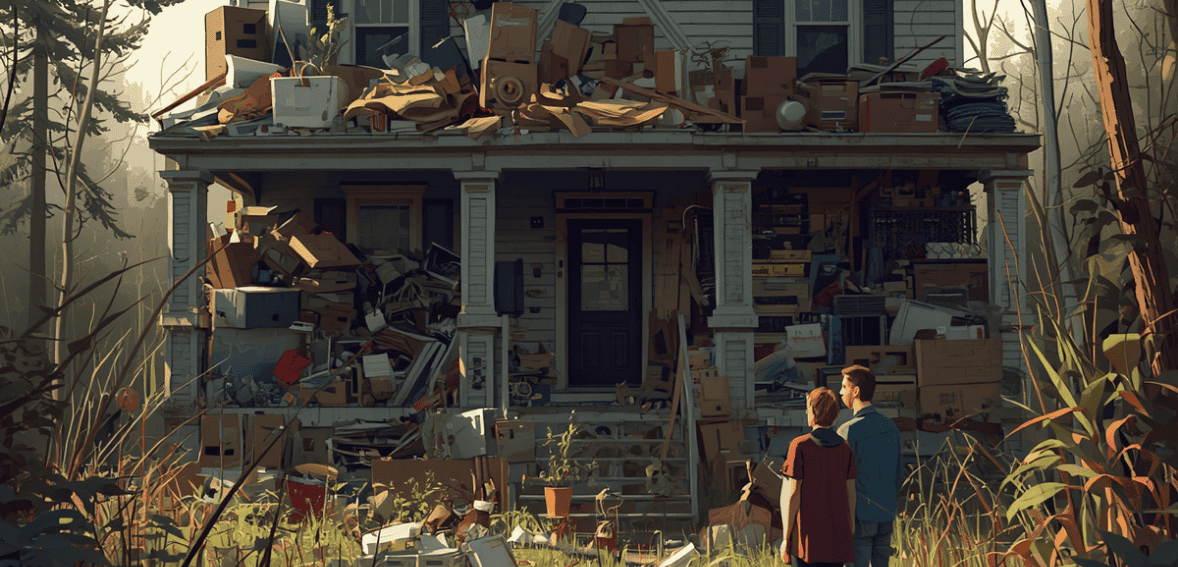
When homeowners sell a property as-is, they inform buyers that the house will be sold in its current condition, without repairs or cleanup. This is one of the most common strategies for quickly selling hoarder houses in Delaware. Instead of spending months preparing the home for the market, sellers can focus on finding buyers willing to take on distressed properties.
Traditional lenders will almost certainly deny a mortgage on a cluttered house, leaving cash buyers as the primary buyers of hoarder homes. Appraisers and inspectors do not pass properties with safety or major issues, and cash buyers avoid most financing approval problems.
Selling a house as-is is much quicker than a traditional sale. Investors can start the selling process with an offer just days after a sale announcement and can close the sale just a week or two later. Since cash buyers are responsible for all the house prep, including cleanup, repairs, and showings, homeowners, especially those with a time-sensitive estate, can avoid the tedious prep.
While the as-is selling process may be new to most homeowners, it is quicker and less time-consuming. Resources like the Delaware.gov Housing Resources and the National Association of Realtors are great for finding facts to help you become informed as a seller and about your rights.
The Biggest Challenges When Trying to Sell a Hoarder House in Delaware
Even though selling without cleaning is possible, hoarder houses still come with several challenges that sellers should understand. One major issue is pricing expectations. Because these properties usually require significant labor and repairs, buyers often expect discounted prices compared to nearby move-in-ready homes. Homeowners sometimes struggle emotionally with accepting lower offers, especially if the home once held strong sentimental value.
There is another issue with disclosure. In Delaware, sellers are usually required to disclose any defect in a property they are selling that is known to them, and if the home is sold as is, or if other defects in the property are concealed, serious problems may arise. In any of these cases, the seller is better off with known defects, such as damage, water leaks, mold, etc., or vulnerabilities in a home’s structure.
Access can also become a hurdle. Hoarder homes are so full of stuff that buyers cannot even access all sections to inspect the home. Because of this, investors will often make much lower offers due to the unknown risks obscured by the clutter. This is a difficult situation, but a fair result due to the risks involved in buying a severely distressed home.
Neighbors can also affect your ability to sell a home. When a home becomes a nightmare or a major problem for a community member and is closed or neglected, it can become a problem for the community, hindering the sale of that property. The same can be said for other property districts in Delaware, where buying property without the assistance of a competent person is a real problem.
Why Cash Buyers Often Purchase Hoarder Houses

Many traditional homebuyers cannot imagine purchasing a severely cluttered property, but professional real estate investors view these homes differently. Cash buyers often specialize in distressed properties because they have the experience, crews, and financial resources necessary to restore them. Instead of focusing on cosmetic appearance, they evaluate the property’s long-term investment potential.
We Buy Houses Companies
“We Buy Houses” companies have become increasingly common throughout Delaware. These businesses market directly to homeowners who need fast solutions for difficult properties, including foreclosed, inherited, fire-damaged, and hoarder homes. The primary advantage is convenience. Sellers avoid repairs, agent commissions, showings, and lengthy negotiations.
Some companies allow sellers to leave behind items they don’t want. This is very helpful for families that have decades of clutter. Buyers of real estate should still be researched. This includes reading reviews and comparing offers before purchasing. Honest buyers will provide a contract and allow time for the seller to agree to the terms.
The owners of real estate can learn how properties are valued by using the project economic models based on the research provided by Zillow in the state of Delaware. This can show the property owner’s neighborhood and nearby properties that are for sale.
Preparing Mentally for the Selling Process
Selling a hoarder’s house is not just a financial transaction. For many families, it represents the closing of a difficult chapter filled with stress, guilt, or grief. Emotional preparation is just as important as handling paperwork or negotiating offers.
It is not unusual for homeowners to feel embarrassed at the thought of potential buyers witnessing the home’s actual condition. Luckily for you, many investors have seen worse. Investors focus on improving a property rather than judging tenants. Walkthroughs and negotiations will come much more easily with this mindset.
To handle a problematic property’s negative cash flow, consider selling. A vacant home will incur ongoing cash outflows for taxes, utilities, insurance, maintenance violations, etc. Selling the property will relieve the financial burden.
It’s not uncommon for homeowners to purge the property of personal attachments before a sale. This approach is not only more pragmatic but also detracts from emotional burden. The rest is up to the buyer.
How to Get the Best Offer for a Hoarder House
Even when selling as-is, homeowners should still take steps to maximize their offers. Gathering basic property information, such as square footage, tax records, utility status, and repair history, can help buyers make more accurate evaluations. Taking exterior photos and providing honest details about the home’s condition also improves communication during negotiations.
Analyzing several cash offers is a wise option. Some cash buyers buy at low prices, assuming that some desperate sellers will accept significant markdowns. Meeting with various investors allows homeowners to see what the actual market offers them and avoid scams.
The right timing may also allow the seller to get a better offer. Demand for housing continues across many areas of the Delaware real estate market, which means growing markets may also favor sellers of distressed properties. Cash buyers are often aware of these markets, as a renovated distressed buy may yield a profitable sale in a cash buyer’s market.
Realizing there will be many hurdles for a seller of a distressed property, hiring a professional who handles distressed property transactions is always a good idea. A real estate attorney or an estate planner who handles vested property may help sellers clear title, probate the property, or resolve any outstanding liens.
Conclusion
Trying to sell a hoarder house can feel overwhelming, especially when the property requires extensive cleanup and repairs. Fortunately, homeowners do not always need to spend thousands of dollars emptying the home before listing it for sale. If you need to sell a hoarder house in Delaware properties quickly, selling as-is to a cash buyer may provide the fastest and least stressful solution.
While hoarder houses come with unique challenges, there are buyers willing to purchase these properties in their current condition. By understanding the process, being realistic about pricing, and exploring as-is sales options, homeowners can avoid the emotional and financial burden of a major cleanout. Whether the property is inherited, damaged, or simply too difficult to manage, moving forward is possible without first handling every item in the home.
Frequently Asked Questions
Can I really sell a hoarder house in Delaware without cleaning it?
Yes. Many cash buyers and real estate investors purchase hoarder houses exactly as they are. In some cases, sellers can even leave unwanted belongings inside the property after closing.
Will I get less money for a hoarder house?
Usually, yes. Buyers account for cleanup costs, repairs, and potential risks when making offers. However, selling as-is can still save homeowners significant money and stress compared to paying for extensive cleanup work themselves.
Do I need to disclose problems with the house?
Delaware sellers are generally required to disclose known material defects. Even in an as-is sale, honesty about major issues helps avoid legal disputes later.
How fast can I sell a hoarder house in Delaware?
Some cash sales close within one to two weeks, depending on title status and paperwork. The process is often much faster than a traditional home sale because financing approvals and repairs are usually not required.