
When Your Home Has Issues — and You Still Need to Sell
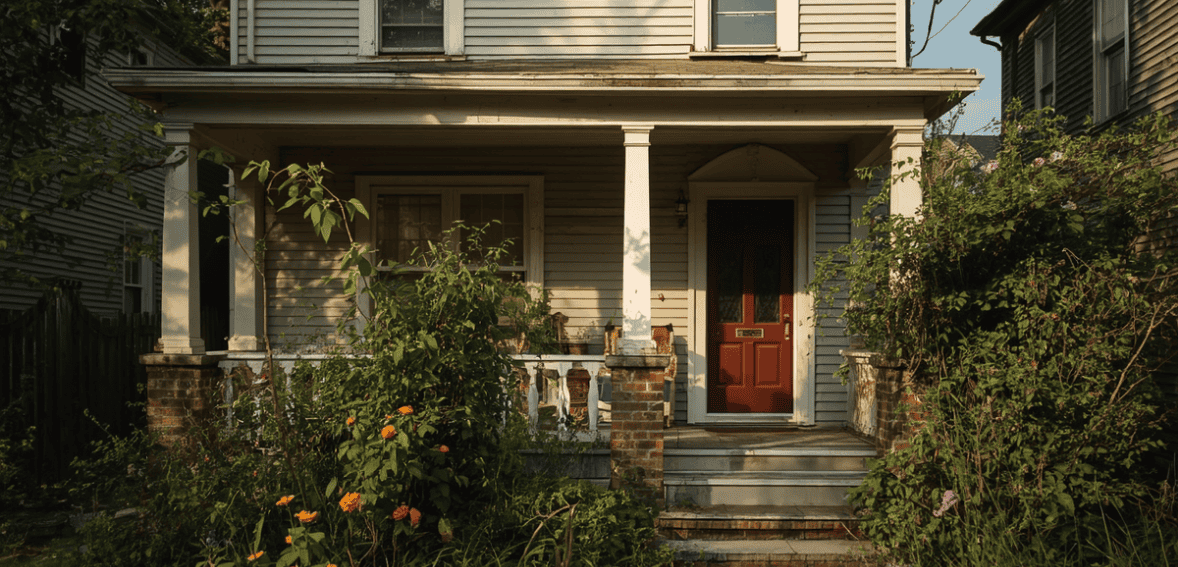
Picture this: you’ve inherited a property in Wilmington that hasn’t been touched in a decade, or you’re behind on mortgage payments, and a notice from the county arrived citing structural deficiencies in your Newark home. You need to sell — fast — but your house is flagged with code violations, and the repair estimates are staggering. The good news is you are not trapped. Thousands of Delaware homeowners each year find themselves in this exact situation, and more options exist than most people realize.
Whether you’re dealing with unpermitted additions, failing electrical panels, or serious habitability concerns, understanding how to sell a house with code violations in Delaware is the first and most important step toward getting out from under a financially and emotionally draining property.
What Are Building Code Violations and Why Do They Matter in Delaware?

Building code violations occur when a residential property fails to comply with the safety, structural, and habitability standards set by local or state authorities. In the state of Delaware, residential properties are subject to the Delaware State Housing Code under Title 31, Chapter 41, which authorizes local authorities to conduct inspections and to cite property owners and enforce compliance orders. Examples of common violations include unapproved additions of rooms or garage conversions, outdated or defective electric wiring, non-code-compliant plumbing, deteriorating rooflines, unapproved conversions of a garage to a room, unapproved additions of smoke or carbon monoxide detectors, gas leaks or pest infestations, faulty foundations, and conditions that endanger the health of occupants.
Code violations can get tricky when selling a home because they don’t go away when you list it. This is because they are usually tied to the home rather than to the owner, so they are the responsibility of the new owner unless otherwise agreed upon at closing. Under Delaware law, a property owner who has received a compliance order or a notice of violation cannot sell the property without disclosing the reason to the buyer. This means that sellers cannot hide code violations.
Delaware’s Disclosure Laws: What You’re Legally Required to Tell Buyers
Delaware operates under some of the more clearly defined real estate disclosure frameworks in the Mid-Atlantic region. Under the Delaware Buyer Property Protection Act (Title 6, Chapter 25), sellers of residential property are required to provide buyers with a written disclosure form covering known material defects, including any existing code violations, open permits, or outstanding compliance orders. Failing to disclose known defects — even in an as-is sale — can expose a seller to significant legal liability after closing, including lawsuits for fraud or misrepresentation.
This doesn’t mean that you have to fix anything before the sale. The buyer just needs to know. In reality, reporting violations saves you, and there is little risk for the buyer if they know precisely what they’re getting into. If you let the potential buyer know about the code violations and they still want to buy the property, they are fully informed about the property’s condition, and they can’t really sue you. It is wise to consult a qualified Delaware real estate attorney about your disclosure forms before you sign a purchase agreement. This will be especially true if you have code violations.
Can You Actually Sell a House With Code Violations in Delaware Without Fixing Them?
Yes — and it happens all the time. Many homeowners think that a code violation means a house can’t legally change hands. That’s not true. Delaware law has disclosure and fraud concealment statutes, but doesn’t require that code violations get fixed before a sale goes through. It all depends on the type of buyer and the transaction.
Cash buyers and most real estate investors buy houses as-is and discount the price to get the house up to code. These types of transactions avoid the difficulties and hurdles of a regular sale because they lack lender requirements, appraisals, and inspection contingencies.
It’s worth noting that some municipalities in Delaware — including Wilmington and Dover — may have additional local ordinances that regulate the transfer of properties with active violation orders. In some cases, a city may require that a seller obtain a transfer permit or certificate of inspection before closing can proceed. This is one more reason why consulting a local real estate attorney or experienced agent early in the process can save you from costly delays down the road.
Your Three Main Options for Selling With Code Violations in Delaware
Option 1: Fix the Violations Before Listing
The easiest, though rarely practical, option for distressed sellers is to make the property fully compliant before it is listed. Fixing code violations can improve the property’s value for sale and broaden the market to buyers with FHA- and conventional-funded purchases. Unfortunately, the process is expensive.
Sellers may face electrical, structural, plumbing, and legalization costs, adding thousands to their expenses, ranging from $15,000 to $100,000. For cash-strapped, foreclosed, or estate-selling property owners, or those wanting to sell a property quickly, the compliance costs are not practical.
Option 2: Sell on the Open Market With Price Adjustments
In some cases, sellers will work with a standard real estate agent and list their property on the MLS, disclosing any violations and offering the property at a discounted price to reflect its condition. This can help attract buyers interested in affordable housing options and can even appeal to real estate house flippers, investors, and landlords.
The main issue with this option is that most retail buyers need to rely on financing, and most lenders will refuse to finance a property with significant safety-related code violations. This narrows your buyer pool dramatically. When a buyer is found, the scope of violations is often discovered with the inspection, resulting in lengthy negotiations and often, failed agreements due to inspection contingencies.
Option 3: Sell As-Is to a Cash Buyer
For many homeowners in Delaware facing code violations, selling their home directly to a cash buyer or real estate investment company is often the easiest way to sell. Cash buyers buy homes in their current market condition, violating building codes, needing repairs, or in a state of poor condition, and leave the seller without the burden of making any repairs.
Cash offers tend to be lower because buyers take on the repairs and the risks that come with the purchase. However, when factoring in repairs, real estate agent commissions, ongoing carrying costs, and the mental burden of managing the property, selling the home for cash tends to yield the same final price much faster and with greater certainty.
Cash buyers typically close in as little as 7 to 21 days, handle all the paperwork, and don’t require you to clean, stage, or show the property. If you’re trying to quickly sell a house with code violations in Delaware without the stress of renovation, this path deserves serious consideration.
How Code Violations Affect Your Home’s Value in Delaware
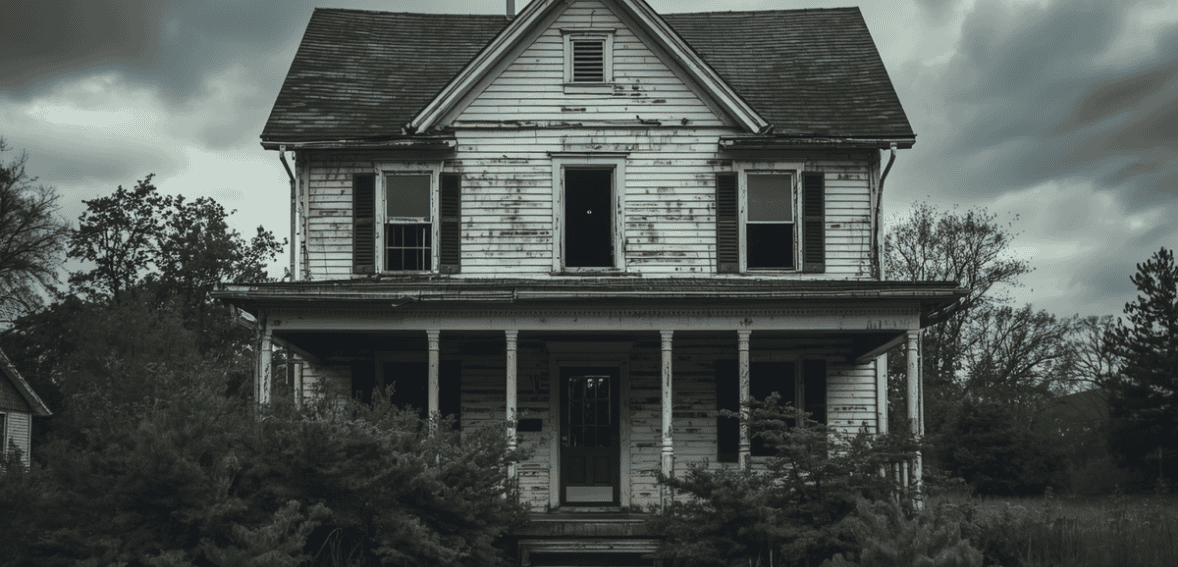
Knowing how violations impact pricing will inform you on what to expect before negotiations. Code violations diminish property value in two ways. One way is direct, where a buyer calculates remediation costs and lowers their offer. The other way is demand and financial restrictions.
Homes with minor issues, like smoke detectors or handrails, will see a smaller price drop. However, homes with large unpermitted square footage violations or structural issues can sell for 20% to 40% less than fully code-compliant homes. In Delaware, the Wilmington housing market, suburban New Castle County, and the Lewes and Rehoboth coastal areas differ in how they handle distressed inventory. This is why knowing your local market conditions is important.
Navigating the As-Is Sale Process in Delaware: What to Expect
If you decide that an as-is cash sale is the right move, the process is simpler than most people expect. You’ll start by reaching out to one or more cash buyers or investment companies operating in Delaware and requesting an offer. Reputable buyers will schedule a brief walkthrough of the property — typically 30 to 60 minutes — and present a written offer within 24 to 48 hours. You are under no obligation to accept the first offer you receive, and getting multiple offers is always a smart strategy for maximizing your net proceeds.
After you accept an offer, the buyer will do a title search and closing through a Delaware-licensed title company or real estate attorney. You will need to give your disclosure forms. Closing can occur in one to three weeks. It will most likely be in this range unless the title history is complicated or there are municipal transfer permit delays. Once the transfer is complete, the new owner becomes responsible for addressing the violations and repairs. You will receive the money and no longer have to deal with the problems.
Common Mistakes Delaware Sellers Make With Code-Violated Properties
Concealing violations, such as hiding damage and failing to disclose it, is one of the most expensive mistakes a seller can make. In addition to losing the deal, the seller risks post-close lawsuits that will be more expensive than the original repair costs. Sellers also make the mistake of losing money by doing repairs that only bring the property partway into compliance, and spending money on repairs the seller believes will bring the property closer to compliance may still fail to bring the property into compliance.
Lastly, sellers make the mistake of waiting too long to pursue compliance. If a seller does not pursue compliance, municipalities will begin fining the seller for each day the violation remains. The situation will escalate, and in the most extreme cases, a property may ultimately face legal enforcement actions.
Conclusion
Selling a Delaware house with code violations doesn’t have to mean months of expensive repairs, contentious negotiations, or sleepless nights wondering whether your deal will survive the next inspection. The key is understanding your legal obligations under Delaware disclosure law, being honest with prospective buyers about your property’s condition, and choosing the sale strategy that aligns with your timeline, financial situation, and tolerance for complexity.
Whether you decide to fix and list, negotiate price reductions on the open market, or pursue a direct as-is sale to a cash buyer, there is a viable path forward. Homeowners who move quickly, seek qualified guidance, and remain realistic about pricing consistently come out ahead — even when their property is far from perfect. If you’re trying to sell a house with code violations in Delaware, the worst thing you can do is nothing.
Frequently Asked Questions
Q: Is it legal to sell a house with code violations in Delaware?
Yes, it is legal to sell a house with code violations in Delaware, provided you disclose the violations to the buyer as required by state law. The Delaware Buyer Property Protection Act mandates written disclosure of all known material defects, including outstanding code violations or compliance orders. Failure to disclose can expose you to legal liability even after closing, so full transparency is always the advisable approach.
Q: Will a traditional buyer’s mortgage cover a home with code violations in Delaware?
In most cases, no. Conventional mortgage lenders and FHA loan programs require that a property meet minimum property standards before they will fund a purchase. Significant code violations — particularly those involving structural integrity, electrical systems, or habitability — will typically cause a lender to deny financing until the issues are remedied. This is a primary reason why cash buyers are often the most practical option for homeowners looking to sell a code-violated property without making repairs first.
Q: Do code violations transfer to the new owner after the sale?
Generally, yes. Building code violations are tied to the property, not the individual seller. When a property sells, the new owner assumes responsibility for bringing the home into compliance with applicable local and state codes. This is an important consideration for buyers and is why cash investors or real estate investment companies — who are experienced in managing remediation projects — are typically the most willing purchasers of code-violated properties.
Q: How quickly can I close on an as-is sale in Delaware if my house has code violations?
Cash buyers who specialize in as-is purchases can often close in as few as 7 to 21 days, assuming the title search is clean and no unusual municipal transfer requirements apply. This is dramatically faster than the 30- to 60-day timeline typical of traditional financed sales and makes the as-is route especially attractive for sellers facing foreclosure, probate deadlines, or relocation pressures.