
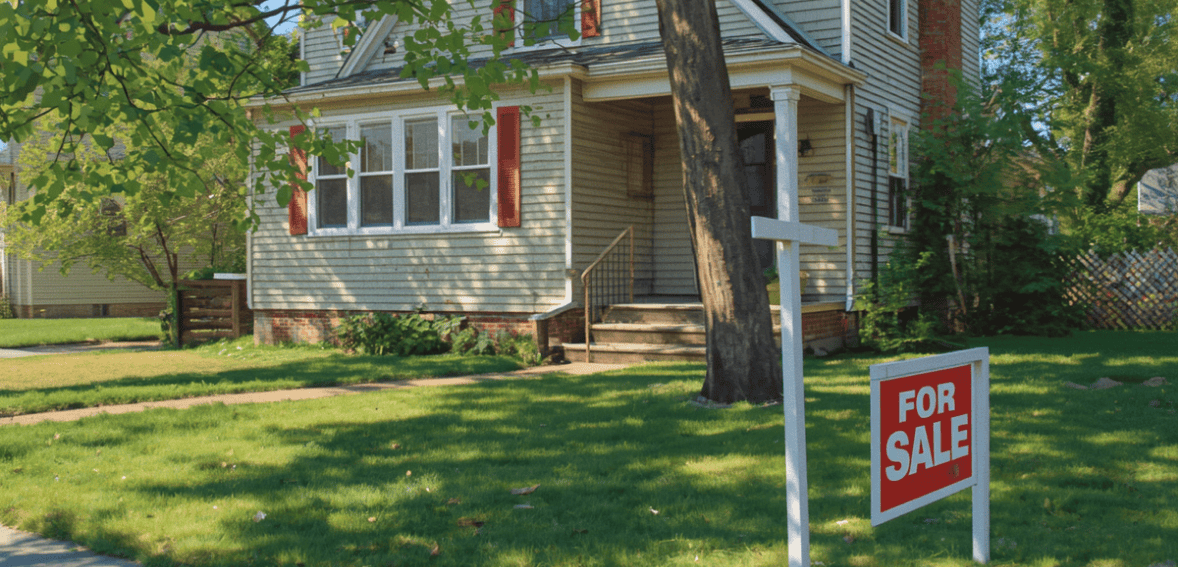
One ongoing cost of home ownership in Delaware is property taxes. The tax burden can become oppressive due to life events such as job loss, divorce, and medical expenses. At some point, accumulated property taxes may lead some owners to consider if they can sell their home. Yes, owners can sell a home with back property taxes in Delaware. However, the process is complicated and can lead to foreclosure, so a thorough understanding of the implications is prudent.
In addition to selling your home, you can move on, and your life does not have to be on hold. Regarding the situation, many Delaware homeowners end up in the same position as you with delinquent property taxes. Thousands of homeowners experience the same problems each year. To avoid losing a property due to tax foreclosure, you need to be informed of your options. Selling your property can be the best way to avoid the negative financial impact of tax delinquency.
Understanding Back Property Taxes in Delaware
In Delaware, property taxes are collected annually by county and municipal governments, and failure to pay them creates a lien on the property. The unpaid property tax, along with interest, penalties, and fees, becomes the first charge on the property and will grow if not settled. This ultimately makes it even more expensive to resolve.
In Delaware, a county may start property tax sales after a specified interval of unpaid property taxes. The property can be sold to the public, which should concern homeowners who cannot pay property taxes, especially since there is nothing they can do to stop the county from initiating a sale. Homeowners who do nothing lose their property and end up with an even larger tax burden.
There is no stopping a public sale of a home due to unpaid taxes if there is already a lien on the home, even if that burden was the reason for the sale. This situation is very unfortunate for homeowners, as they often receive nothing from the sale, and the property taxes owed are paid to the county.
Can You Legally Sell a House with Back Taxes in Delaware?
Yes, you can legally sell a house with back taxes in Delaware, as long as the taxes are paid during or before closing. During most real estate transactions, the title company will conduct a title search to check for any liens on the property. Any outstanding tax obligations will arise during this search and must be paid before proceeding with the sale to the buyer.
Being transparent is crucial to successfully selling a house with delinquent taxes. If you do not disclose that the taxes are delinquent, buyers may pressure you to cancel the sale. It’s even worse if the buyer decides to cancel the sale. Experienced real estate investors and cash home buyers are familiar with tax lien issues and can help you to sell your property faster.
It’s best to sell your home before the county auctions it for taxes. Once an auction is scheduled, there will be very little time to sell your home before the taxes are auctioned off. It’s always best to sell before a tax auction because you will have more options and the financial outcome will be much better.
How Back Property Taxes Affect the Home Selling Process

Selling a home with tax issues is more complicated than a normal sale. It adds some complexity for the county tax office, title company, mortgage lender, and the buyer. The tax office needs to handle a tax lien on the home, while the title company needs to be aware of the tax balance, as it will affect the closing. The mortgage lender will have to clear their loan. The buyer deserves to know how much is owed and how that will affect the home’s resale value.
The title company will determine how much is owed and if there will be any closing proceeds to the seller. If the proceeds from the closing exceed the debts owed, the seller can keep the excess. If that is not the case, then the home sale will have to be canceled.
Homeowners who believe they cannot sell their home due to a lack of equity are uninformed. Distressed property buyers are always looking for homes to buy. Typically, investors will buy homes in as-is condition and give the seller the added value of not needing to maintain or repair the home. There is also significant time savings for the seller because they do not need to go through the numerous steps required to prepare a home for sale.
Financing can be difficult to arrange for a house that has a tax lien. As a result, the quickest way for a homeowner to sell a property with delinquent taxes in Delaware is to sell it for cash. Cash transactions result in the fastest closings with the least risk to the seller.
The Role of Tax Liens in Delaware Real Estate Sales
A tax lien is the government’s claim to legally seize your property for back taxes owed. In the State of Delaware, property tax liens are normally senior to most other debts (including certain mortgages). This makes property tax liens even more important legally and financially.
Liens remain on the property’s public land records. Delinquent property tax liens remain on a property until they are paid. This is one reason some buyers avoid properties with tax liens. For a property to legally transfer from a seller to a buyer, property tax liens must be paid.
It is a common misconception that property tax liens make a property unsellable. It is legally possible for property to be sold, even if tax liens encumber it. The key issue is whether the property will actually be sold. If the anticipated sale price exceeds the total tax liens, then the property is worth selling.
A homeowner who is uncertain about their current tax lien status should review the tax assessor records for their county. In those situations, a real estate lawyer would likely provide the most benefit and assistance. The IRS also has a lot of helpful information on the effects of tax liens on the sale of real property.
Why Many Delaware Homeowners Choose Cash Buyers

Traditional home sales can take months to complete, especially when financing contingencies and inspection issues arise. Homeowners dealing with back taxes often do not have the luxury of waiting that long. This is why many sellers turn to professional cash buyers or investment companies that purchase distressed properties.
Cash Home Buying Companies
Home buying companies buy houses as-is. They can easily handle tricky problems that cause delays in traditional home sales. They resolve issues such as title problems, probate, liens, and tax debts. Homeowners can get services the quickest from these companies.
Delaware homeowners have to deal with the fast-acting threat of penalties and the cost of collection notices. Selling the home in this situation can ease the mental burden of the growing issues, provide some financial relief, and, hopefully, prevent foreclosure.
The stress of having to make expensive, time-consuming repairs to their home to sell it is taken away from homeowners. There is reason to believe homeowners will gladly accept a cash offer rather than the lengthy, expensive process of selling their home.
What Happens if the Sale Price Does Not Cover the Taxes?
Anxiety about whether they can sell their house for enough to cover their debts is a major concern for homeowners. If the amount from the sale is not enough, the situation can become a bit trickier. However, it is still possible to work through it.
Lenders and the IRS don’t always refuse to work with you. A mortgage lender might approve a short sale because they consider it a better outcome than a foreclosure. As for the IRS, they may approve a short sale arrangement, but any repayment plan must be carefully timed and structured.
Homeowners should not overlook these situations. Failing to respond to a notice will leave few options to work with. Seeking counsel, working with a realtor, and contacting the IRS or tax authorities to negotiate a settlement can all provide options homeowners didn’t think they had. Homes with negative equity can be sold, but are difficult to work with. However, with good communication and cooperation from all involved, a sale can be successfully completed.
How to Prepare Your Delaware Property for Sale
Listing a property burdened with back taxes can attract competitive offers. Prior to such a sale, sellers must obtain the tax balance and mortgage payoff. Sellers should be transparent when selling distressed property. Payoff statements are beneficial because they indicate what is needed to resolve the property tax issue and help avoid misunderstandings about the debt balance during negotiations.
Examples of distressed sales include property sold “as is” to reduce costs and time. These are most often the cases when the property is sold to a buyer who intends to renovate it immediately and resell it. Sellers must understand that to sell quickly, a pricing strategy is also required. Sellers must accept the price that reflects the property’s current condition and their current mortgage and equity.
Should You Work With a Real Estate Agent or Sell Directly?
There is no one-size-fits-all answer when deciding how to sell a property with delinquent taxes. Some homeowners prefer working with experienced real estate agents who understand distressed property transactions. Others choose direct sales to investors because they prioritize speed and certainty.
Real Estate Agents
An accomplished real estate agent in Delaware will market the property, manage the offers, and oversee communication between the title company and the buyers. Unfortunately, the traditional approach undoubtedly extends the length of the selling process, requires the seller to pay commissions, and incurs closing costs.
Direct Home Buyers
Homebuyers value quick and easy transactions. Many companies purchase homes as-is. They do not require renovations and repairs. Financing approvals and contingencies are also bypassed. This may be the best route for homeowners to take in order to avoid a tax sale.
Which option a homeowner prefers depends on their goals, their equity, and the time they are willing to wait. For homeowners with equity, the best option may be a traditional sale. For homeowners who want a faster solution, the same option may be applicable. Otherwise, a tax sale may be the route the homeowner takes.
How Delaware Tax Sales Work
When someone is late in paying property taxes in Delaware, counties may initiate tax sale proceedings. If a person bids on a property at a tax sale, they can claim the property in order to collect the property owner’s unpaid taxes and other applicable expenses. Subsequently, the owner will almost completely lose any claim to the property.
For the tax sale process, the step order and the names of the steps may differ between counties, but the process will be mostly the same throughout Delaware. In most cases, property owners receive a notice regarding the tax sale. This notice gives the property owner the opportunity to pay the overdue taxes or resolve the situation.
The property owner can maintain their claim to the property by selling the property before the tax sale date. If they wait, they will lose their property and money in the process. Financial loss is also accompanied by fewer options.
Conclusion
It is entirely possible to sell a house with back taxes owed by Delaware homeowners, but the process requires urgency, preparation, and a clear understanding of how tax liens affect real estate transactions. Delinquent property taxes do not automatically prevent a sale, yet they must usually be resolved before ownership can legally transfer to a buyer. The sooner homeowners act, the more options they typically have available.
Whether you choose to work with a real estate agent, negotiate with creditors, or sell directly to a cash buyer, taking action early can help you avoid tax foreclosure and protect your financial future. Selling a property with unpaid taxes may feel overwhelming at first, but with the right strategy and professional guidance, many Delaware homeowners successfully move forward and regain financial stability.
Frequently Asked Questions
Can I sell my Delaware house if I have unpaid property taxes?
Yes, you can sell your home even if you owe back property taxes. The unpaid taxes are usually paid from the proceeds during closing before the transfer of ownership is finalized.
Will a tax lien stop me from selling my property?
A tax lien does not automatically stop a sale, but it must generally be resolved before the buyer receives clear title to the property.
How quickly can I sell a house with back taxes in Delaware properties?
The timeline depends on the selling method. Traditional sales may take several months, while cash buyers can often close within days or weeks.
What happens if my house is scheduled for a Delaware tax sale?
If your property is scheduled for a tax sale, acting immediately is essential. You may still be able to sell the home before the auction date and use the proceeds to pay the taxes owed.